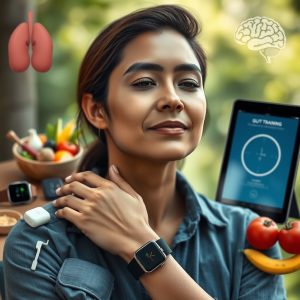
The Gut-Sleep-Cognition Nexus: How Wearable Tech, Gut Health, and Sleep Hygiene Are Unlocking Brain Resilience

In the quest for optimal brain health, the intersection of gut health, sleep hygiene, and wearable technology is emerging as a powerful nexus. This triad is not just about understanding the individual components but recognizing how they interact and influence each other, ultimately shaping cognitive resilience.
The Gut-Brain-Cognition Connection
The gut-brain axis, a bidirectional communication system between the gut and the brain, is a cornerstone of this nexus. The gut microbiome, a complex ecosystem of trillions of microorganisms, plays a pivotal role in this connection. Research has shown that the gut microbiome can influence brain function through the production of neurotransmitters, the modulation of the immune system, and the regulation of stress responses. For instance, a balanced gut microbiome has been linked to improved mood, reduced anxiety, and enhanced cognitive function.
The Role of Wearable Technology
Wearable health technology is revolutionizing the way we monitor and understand this connection. Devices like continuous glucose monitors, smartwatches, and fitness trackers provide real-time data on various physiological parameters. This data can be used to track the impact of gut health on cognitive function, sleep quality, and overall well-being. For example, wearable devices can monitor heart rate variability, a key indicator of stress and sleep quality, and provide insights into the gut-brain-cognition nexus.
The Sleep-Gut-Cognition Loop
Sleep hygiene, the practice of maintaining a consistent sleep schedule and creating a restful sleep environment, is another critical component of this nexus. Poor sleep quality has been linked to gut dysbiosis, a disruption in the gut microbiome, and cognitive decline. Conversely, a balanced gut microbiome can influence sleep quality through the production of neurotransmitters like serotonin and gamma-aminobutyric acid (GABA). These neurotransmitters play a crucial role in regulating sleep patterns and promoting restful sleep.
The Impact of Gut Health on Sleep
Gut health can influence sleep quality in several ways. The gut microbiome produces short-chain fatty acids (SCFAs), which can cross the blood-brain barrier and influence brain function. SCFAs have been shown to promote the growth of beneficial gut bacteria and can also influence the production of neurotransmitters involved in sleep regulation. Additionally, the gut microbiome can influence the production of melatonin, a hormone that regulates sleep-wake cycles.
Unlocking Brain Resilience
By understanding and optimizing this gut-sleep-cognition nexus, we can unlock the potential for enhanced brain resilience. This involves maintaining a balanced gut microbiome through a healthy diet, regular exercise, and stress management. It also involves practicing good sleep hygiene, such as maintaining a consistent sleep schedule, creating a restful sleep environment, and avoiding screens before bed.
Wearable technology can play a crucial role in this process by providing real-time data on various physiological parameters and offering insights into the gut-brain-cognition nexus. By integrating this data into our daily lives, we can make informed decisions about our health and well-being, ultimately enhancing our cognitive resilience.
In the quest for optimal brain health, the gut-sleep-cognition nexus offers a promising path forward. By understanding and optimizing this triad, we can unlock the potential for enhanced cognitive resilience, improved mental health, and overall well-being. As wearable technology continues to evolve, it will play an increasingly important role in this process, providing real-time data and insights into our health and well-being. By embracing this nexus, we can take a proactive approach to brain health, ultimately enhancing our cognitive resilience and quality of life.