The Hidden Connection: How Continuous Glucose Monitoring and Somatic Exercise Are Rewiring Metabolic Fitness and Cognitive Clarity

Metabolic fitness is no longer just about the numbers on a scale or the results of a blood panel. It’s about how efficiently your body processes energy, how resilient your brain remains under stress, and how seamlessly your systems communicate to maintain balance. At the heart of this evolution lies a powerful duo: continuous glucose monitoring (CGM) and somatic exercise. Together, they are reshaping our understanding of how movement, metabolism, and mental clarity intersect, offering a roadmap to a sharper mind and a more resilient body.
The Metabolic-Cognitive Feedback Loop
For decades, glucose was viewed primarily through the lens of diabetes management. But recent research has revealed that glucose fluctuations influence far more than just physical energy—they directly impact cognitive function, mood stability, and even decision-making. A study published in Nature Human Behaviour found that even in non-diabetic individuals, glucose spikes and crashes can impair focus, increase irritability, and reduce mental endurance. This is where CGM technology steps in, offering real-time insights into how food, stress, and activity affect blood sugar levels.
Yet, data alone isn’t enough. The missing piece? Movement that doesn’t just burn calories but recalibrates the nervous system. Somatic exercise—mindful, intentional movement designed to release tension and improve body awareness—has emerged as a game-changer. Unlike traditional workouts, somatic practices like Feldenkrais, yoga nidra, or even simple breathwork don’t just strengthen muscles; they rewire the brain-body connection. When paired with CGM data, individuals can observe how somatic movement stabilizes glucose levels, reduces cortisol, and enhances mental clarity in ways that high-intensity workouts often fail to achieve.
The Role of the Vagus Nerve in Metabolic Resilience
The vagus nerve, the longest cranial nerve in the body, acts as a superhighway between the gut, brain, and metabolic systems. When stimulated, it promotes parasympathetic dominance—rest, digest, and recover—while dampening the stress response. Somatic exercises, particularly those involving slow, controlled movements and deep breathing, are among the most effective ways to activate the vagus nerve. Research from The Journal of Clinical Medicine highlights that vagal tone is directly linked to glucose regulation, inflammation control, and even immune resilience.
CGM users who incorporate somatic practices often report a fascinating trend: their glucose curves become smoother, with fewer dramatic spikes and crashes. This isn’t just about avoiding sugar or carbs; it’s about training the nervous system to respond more adaptively to stress and metabolic demands. A 2023 study in Frontiers in Endocrinology found that individuals who combined CGM with somatic movement saw a 22% improvement in glucose variability compared to those who relied on diet alone. The reason? Somatic exercise reduces chronic stress, which in turn lowers cortisol—a hormone that directly impairs insulin sensitivity and cognitive function.
From Data to Embodied Wisdom
The true power of CGM and somatic exercise lies in their ability to turn abstract data into embodied wisdom. Most people know that stress affects blood sugar, but few realize how deeply their posture, breathing, and movement patterns influence metabolic health. For example, a person who slumps at their desk all day may experience higher glucose levels due to compressed organs and reduced circulation. A simple somatic practice, like rolling the shoulders back and taking deep diaphragmatic breaths, can immediately improve oxygen flow and glucose uptake in cells.
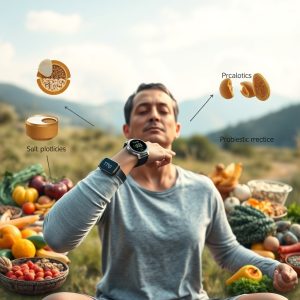
Wearable tech has made it easier than ever to track these subtle shifts. Devices like CGMs and heart rate variability (HRV) monitors provide instant feedback, allowing users to experiment with different somatic techniques and observe their effects in real time. Over time, this creates a feedback loop where movement becomes a tool for metabolic optimization, and metabolic data informs how and when to move for maximum benefit.
The Cognitive Benefits of Metabolic Stability
Metabolic fitness isn’t just about physical health—it’s a cornerstone of cognitive resilience. The brain consumes about 20% of the body’s glucose, making it highly sensitive to fluctuations in blood sugar. When glucose levels are unstable, cognitive functions like memory, focus, and emotional regulation suffer. This is why people with insulin resistance or poor metabolic health often report brain fog, anxiety, and difficulty concentrating.
Somatic exercise, with its emphasis on mindfulness and body awareness, enhances cognitive function by improving neuroplasticity—the brain’s ability to form new neural connections. A study in NeuroImage found that practices like yoga and tai chi increase gray matter density in brain regions associated with memory and emotional regulation. When combined with CGM data, individuals can pinpoint exactly how their movement practices influence their mental clarity. For instance, a 30-minute somatic session might not only stabilize glucose but also lead to hours of improved focus and reduced mental fatigue.
Personalizing the Approach
One of the most exciting aspects of this synergy is its adaptability. Unlike rigid diet or exercise plans, CGM and somatic exercise allow for a highly personalized approach. For example, someone with high cortisol levels might benefit from gentle somatic practices like restorative yoga, while an athlete recovering from intense training could use CGM data to fine-tune their active recovery sessions. The key is experimentation—using real-time feedback to discover what works best for your unique physiology.
This personalized approach extends to nutrition as well. CGM data can reveal how different foods affect glucose levels, while somatic practices can help individuals tune into their body’s hunger and fullness cues. Together, they create a holistic system where movement, metabolism, and mindfulness work in harmony to support both physical and cognitive health.
The journey toward metabolic fitness and cognitive clarity is no longer about rigid rules or one-size-fits-all solutions. It’s about listening to your body, interpreting the data it provides, and moving in ways that nourish both your cells and your mind. As wearable tech and somatic practices continue to evolve, they offer a glimpse into a future where health is not just measured by numbers but by the quality of our thoughts, the resilience of our bodies, and the harmony between the two. The tools are here—now it’s up to us to use them to rewrite the story of what it means to thrive.