The New Frontier of Immune Resilience: How Functional Medicine, Wearable Tech, and Somatic Practices Are Building a Stronger Defense
In an era where chronic stress, environmental toxins, and sedentary lifestyles are the norm, immune resilience has become a cornerstone of modern health. No longer is immunity just about fighting off the occasional cold—it’s about cultivating a system so robust that it can adapt to challenges, recover swiftly, and maintain equilibrium even under pressure. The latest advancements in functional medicine, wearable health technology, and somatic practices are redefining how we approach immune strength, shifting the focus from reactive treatments to proactive, personalized strategies.
The Functional Medicine Approach: Treating the Root, Not the Symptom
Functional medicine has long championed the idea that true healing begins with addressing the underlying causes of dysfunction. When it comes to immune resilience, this means looking beyond surface-level symptoms and examining the intricate web of factors that influence immune function—gut health, inflammation levels, hormonal balance, and even emotional well-being. Unlike conventional medicine, which often isolates symptoms, functional medicine takes a holistic view, recognizing that a compromised gut microbiome, for instance, can directly impact immune responses.
Recent research has highlighted the gut-immune axis as a critical player in immune resilience. A balanced microbiome doesn’t just aid digestion; it trains immune cells, regulates inflammation, and even influences mood and cognitive function. Functional medicine practitioners leverage advanced testing—such as stool analysis, food sensitivity panels, and metabolic profiling—to identify imbalances and craft targeted interventions. These might include personalized nutrition plans, targeted supplementation, or lifestyle modifications designed to restore harmony to the system.
Wearable Tech: The Real-Time Guardians of Immune Health
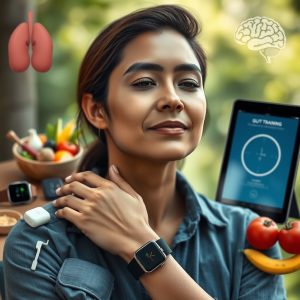
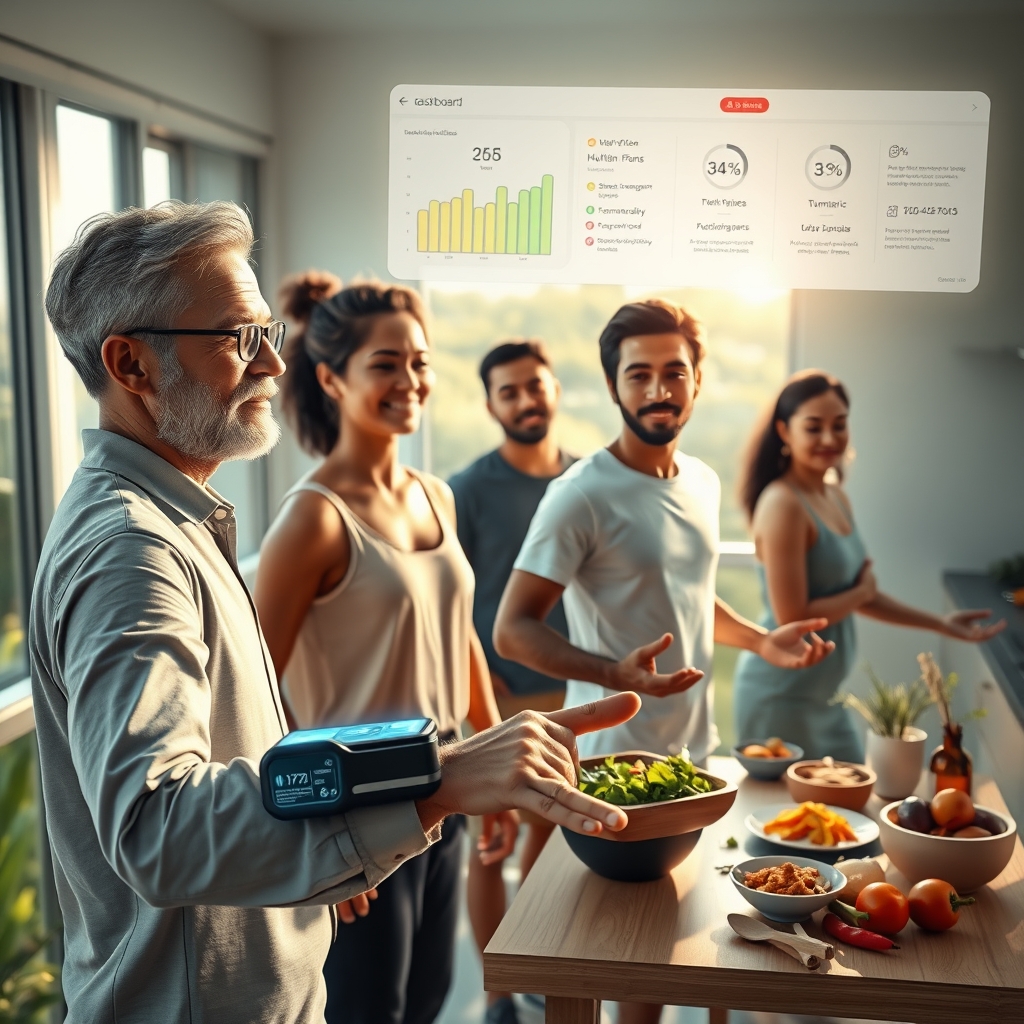
The rise of wearable health technology has given individuals unprecedented insight into their physiological states. Devices like continuous glucose monitors (CGMs), heart rate variability (HRV) trackers, and advanced sleep analyzers are no longer just for athletes or biohackers—they’re becoming essential tools for anyone serious about optimizing their immune resilience. These devices provide real-time data on metrics that directly impact immunity, such as stress levels, recovery status, and metabolic efficiency.
For example, HRV tracking can reveal how well the body is adapting to stress. A consistently low HRV may signal chronic stress or overtraining, both of which can weaken immune function. Similarly, CGMs offer a window into metabolic health, showing how diet and lifestyle choices influence blood sugar stability—a key factor in inflammation and immune regulation. By monitoring these metrics, individuals can make informed adjustments to their routines, whether that means prioritizing sleep, adjusting their diet, or incorporating stress-reducing practices like meditation or breathwork.
The Role of Somatic Practices in Immune Resilience
While technology provides valuable data, somatic practices offer a complementary pathway to immune strength by addressing the mind-body connection. Somatic exercises—such as yoga, tai chi, and qigong—focus on releasing stored tension, improving circulation, and enhancing the body’s natural healing mechanisms. These practices don’t just benefit physical health; they also regulate the nervous system, reducing the chronic stress that can suppress immune function.
One of the most compelling aspects of somatic practices is their ability to modulate cortisol levels. Chronic stress elevates cortisol, which, over time, can lead to inflammation, impaired immune responses, and even metabolic dysfunction. Somatic exercises help recalibrate the stress response, promoting a state of balance where the immune system can function optimally. Additionally, practices like cold exposure (a form of contrast therapy) have been shown to enhance immune resilience by stimulating the production of anti-inflammatory cytokines and improving circulation.
Personalized Nutrition and Metabolic Fitness: Fueling Immune Strength
Immune resilience is deeply intertwined with metabolic fitness—the body’s ability to efficiently process energy and maintain homeostasis. Personalized nutrition plays a pivotal role here, as dietary choices directly influence inflammation, gut health, and immune function. The one-size-fits-all approach to nutrition is rapidly becoming obsolete, replaced by tailored plans that consider an individual’s unique metabolic profile, genetic predispositions, and lifestyle factors.
For instance, some individuals may thrive on a higher-fat, lower-carb diet, while others may require more complex carbohydrates to support their energy needs and immune function. Continuous glucose monitoring can help identify which foods stabilize blood sugar and reduce inflammation, while functional medicine testing can pinpoint nutrient deficiencies that may be compromising immunity. By aligning nutrition with metabolic needs, individuals can create a foundation for long-term immune resilience.
Digital Therapeutics and the Future of Immune Support
The integration of digital therapeutics into immune health represents a groundbreaking shift in how we approach wellness. These evidence-based interventions—delivered via apps, wearables, or virtual platforms—offer personalized support for everything from stress management to sleep optimization. For example, apps that guide users through breathwork exercises or cognitive behavioral therapy (CBT) techniques can help regulate cortisol levels, while sleep-tracking platforms provide actionable insights for improving restorative rest.
Digital therapeutics also hold promise for chronic condition management, where immune resilience is often compromised. For individuals with autoimmune disorders or metabolic diseases, these tools can offer real-time feedback and adaptive strategies to mitigate flare-ups and support long-term health. As technology continues to evolve, the line between traditional medicine and digital health will blur, creating a more integrated, proactive approach to immune resilience.
The journey toward immune resilience is not about quick fixes or temporary boosts—it’s about building a system that is adaptable, responsive, and self-sustaining. By combining the precision of functional medicine, the real-time insights of wearable technology, the mind-body connection of somatic practices, and the personalized approach of metabolic fitness, we can create a new paradigm of health. This isn’t just about avoiding illness; it’s about thriving in a world that demands more from our bodies than ever before. The tools and knowledge exist—now it’s about putting them into practice, one mindful step at a time.