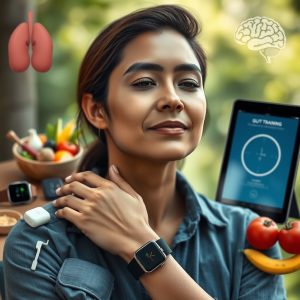
The Silent Revolution: How Outcome-Focused Clinical Care and Seamless Coordination Are Redefining Patient Empowerment

In an era where healthcare is often criticized for its impersonal touch and fragmented systems, a quiet transformation is underway—one that places the patient at the very heart of every decision, every treatment, and every interaction. This shift is not just about adopting new technologies or refining protocols; it’s about fundamentally reimagining how care is delivered, measured, and experienced. At the core of this evolution lies outcome-focused clinical care, a philosophy that prioritizes tangible results over procedural checkboxes, and seamless care coordination, which ensures that every step of a patient’s journey feels effortless, connected, and deeply personal.
The Philosophy of Outcome-Focused Care
Traditional healthcare models have long been structured around inputs: the number of tests ordered, the frequency of visits, or the adherence to standardized guidelines. While these metrics have their place, they often fail to capture what truly matters to patients—their quality of life, their ability to return to daily activities, or the peace of mind that comes with knowing their care team is aligned with their goals. Outcome-focused clinical care flips this script by anchoring every decision in the patient’s desired results. Whether it’s reducing chronic pain, improving mobility after surgery, or managing a complex condition like diabetes, the focus shifts from “what was done” to “what was achieved.”
This approach demands a deeper level of engagement between patients and providers. It requires clinicians to ask not just, “What’s the diagnosis?” but “What does success look like for you?” For instance, a patient recovering from a stroke may define success as regaining the ability to walk their dog independently, while another might prioritize returning to work. By aligning treatment plans with these personalized goals, healthcare providers can create bespoke recovery journeys that feel meaningful and motivating, rather than generic and detached.
The Role of Evidence and Adaptability
Outcome-focused care is not a rejection of evidence-based medicine; rather, it’s an evolution of it. While evidence-based treatment pathways provide the foundation for effective care, they are no longer treated as rigid scripts. Instead, they serve as flexible frameworks that can be adapted based on real-time feedback and individual responses. For example, a patient with depression might start with a standard therapeutic protocol, but if digital health monitoring reveals that their sleep patterns or stress levels aren’t improving, the care team can pivot to alternative strategies, such as technology-assisted therapy or lifestyle adjustments.
This adaptability is where responsive treatment adjustment becomes critical. Modern healthcare systems are increasingly leveraging real-time health analytics to track progress and identify early signs of deviation from expected outcomes. Wearable devices, mobile apps, and remote monitoring tools provide a continuous stream of data, allowing clinicians to make informed adjustments before small setbacks become major obstacles. The result is a dynamic, living treatment plan that evolves alongside the patient’s needs.
The Power of Seamless Coordination
Even the most personalized and outcome-driven care plan can fall short if the patient’s experience feels disjointed. Too often, patients find themselves navigating a labyrinth of specialists, tests, and follow-ups, each step requiring them to repeat their story, coordinate their own appointments, or decipher conflicting advice. Seamless care coordination aims to eliminate these frustrations by creating a unified, patient-centric ecosystem where information flows effortlessly between providers, and the patient is never left feeling like a bystander in their own care.
At its best, seamless coordination is invisible to the patient. It might look like a primary care physician receiving real-time updates from a physical therapist, or a pharmacist being alerted to a medication adjustment before the patient even picks up their prescription. Behind the scenes, collaborative care models ensure that every member of the care team—from surgeons to social workers—is aligned on the patient’s goals and progress. This level of integration not only improves efficiency but also reduces the risk of errors, redundancies, and miscommunication that can derail even the most well-intentioned treatment plans.
Technology as the Enabler
The backbone of seamless coordination is technology, but not in the way many might assume. While electronic health records (EHRs) and digital platforms are essential, the true magic happens when these tools are designed with the patient’s experience in mind. For example, patient portals that offer a single, intuitive dashboard for appointments, test results, and communication with providers can transform a fragmented experience into a cohesive one. Similarly, digital health monitoring tools that automatically share data with the care team can eliminate the need for patients to manually track and report their progress.
Beyond logistics, technology also plays a role in fostering human-centric healthcare delivery. Telehealth platforms, for instance, can bridge gaps in access, allowing patients in remote areas to receive the same level of coordinated care as those in urban centers. Meanwhile, AI-driven analytics can help care teams identify patterns and opportunities for intervention, ensuring that no patient falls through the cracks. When technology is thoughtfully integrated, it doesn’t replace the human touch—it amplifies it.
Empowering Patients Through Transparency and Trust
Outcome-focused care and seamless coordination are not just about improving clinical results; they’re about restoring trust in a system that has often left patients feeling powerless. When patients understand the “why” behind their treatment plans and see their providers working in harmony, they are more likely to engage actively in their care. This empowerment is further reinforced by preventive treatment protocols that shift the focus from reactive fixes to proactive wellness. For example, a patient with a family history of heart disease might receive personalized recommendations for diet, exercise, and stress management long before symptoms ever appear.
The ripple effects of this approach extend beyond individual patients. When care is coordinated and outcomes are prioritized, healthcare systems can achieve greater efficiency, reducing waste and improving resource allocation. This aligns with the growing shift toward value-based medical services, where providers are rewarded not for the volume of services they deliver, but for the quality of outcomes they achieve. In this model, everyone wins: patients receive better care, providers experience greater job satisfaction, and systems operate more sustainably.
As healthcare continues to evolve, the most successful models will be those that recognize the patient not as a passive recipient of care, but as an active participant in their own journey. The tools and technologies are already here; what’s needed now is a cultural shift—one that embraces flexibility, prioritizes outcomes over processes, and ensures that every patient feels seen, heard, and supported. The silent revolution is not just about changing how care is delivered; it’s about redefining what care can—and should—be.