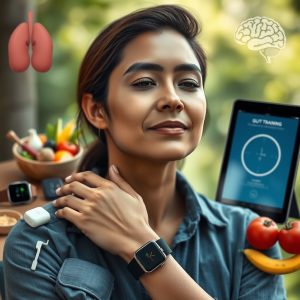
The Synergy of Psychedelic Therapy and Digital Therapeutics: A New Era for Mental Health and Cognitive Resilience
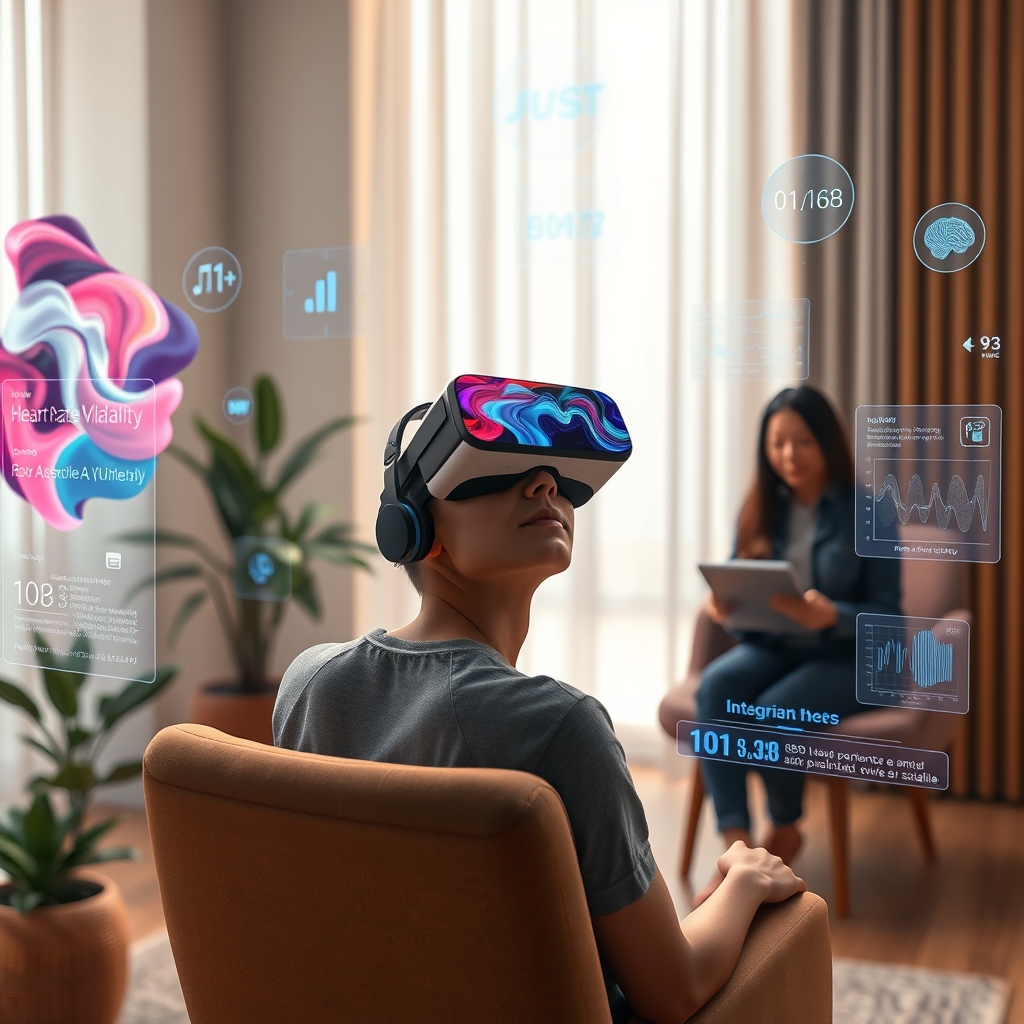
In the evolving landscape of mental health and cognitive wellness, two groundbreaking approaches are converging to redefine therapeutic possibilities: psychedelic therapy and digital therapeutics. While each holds immense promise individually, their synergy is unlocking new dimensions of healing, resilience, and personalized care. This fusion is not just a trend—it’s a paradigm shift in how we understand and treat the mind.
The Renaissance of Psychedelic Therapy
Psychedelic therapy, once relegated to the fringes of medical research, is experiencing a renaissance. Compounds like psilocybin (found in “magic mushrooms”), MDMA, and ketamine are being rigorously studied for their potential to treat conditions such as depression, PTSD, anxiety, and addiction. Unlike traditional pharmaceuticals, which often mask symptoms, psychedelics appear to facilitate profound, lasting changes by promoting neuroplasticity—the brain’s ability to reorganize and form new neural connections.
Research from institutions like Johns Hopkins and Imperial College London has demonstrated that psychedelics can induce mystical or peak experiences, leading to increased emotional openness, reduced fear of death, and enhanced psychological flexibility. These experiences, when guided by trained therapists, can help individuals confront and reframe traumatic memories, break negative thought patterns, and cultivate a deeper sense of meaning and connection.
The Role of Digital Therapeutics in Mental Health
While psychedelic therapy offers transformative potential, it is not a standalone solution. This is where digital therapeutics step in. Digital therapeutics are evidence-based interventions delivered through software—such as apps, virtual reality (VR), and wearable devices—that complement or even enhance traditional therapies. They provide scalable, accessible, and personalized support for mental health, bridging gaps in care that have long existed due to stigma, cost, or geographic limitations.
For example, apps like Woebot and Headspace use cognitive behavioral therapy (CBT) techniques to help users manage stress, anxiety, and depression. VR platforms like Limbix and Psious create immersive environments for exposure therapy, allowing individuals to confront phobias or traumatic memories in a controlled setting. Wearable devices, such as the Oura Ring or Whoop, track physiological markers like heart rate variability (HRV) and sleep quality, offering real-time insights into stress levels and emotional well-being.
The Synergy: Psychedelics and Digital Therapeutics
The true power of this convergence lies in how digital therapeutics can enhance and extend the benefits of psychedelic therapy. Here’s how:
1. Preparation and Integration
Psychedelic therapy is not a one-time event; it requires careful preparation and integration to maximize its benefits. Digital tools can guide users through pre-session preparation, helping them set intentions, practice mindfulness, and cultivate a mindset conducive to healing. Post-session, apps and platforms can assist with integration, offering journaling prompts, meditation exercises, and community support to help individuals process their experiences and apply insights to daily life.
2. Personalized Dosing and Monitoring
Digital therapeutics can also play a role in optimizing psychedelic experiences. Wearable devices can monitor physiological responses—such as heart rate, skin conductance, and brainwave activity—during sessions, providing therapists with real-time data to tailor dosing and support. AI-driven platforms could even predict how an individual might respond to a psychedelic based on their biometric data, allowing for more personalized and safer treatment plans.
3. Accessibility and Scalability
One of the biggest challenges in psychedelic therapy is accessibility. Clinical trials and legal frameworks currently limit its availability, but digital therapeutics can help democratize access. For instance, VR platforms could simulate psychedelic experiences for those who cannot access legal treatments, while telehealth platforms could connect individuals with trained therapists for remote integration sessions. This hybrid model could make psychedelic-assisted therapy more scalable and inclusive.
4. Long-Term Support and Relapse Prevention
Psychedelic therapy often leads to profound shifts in perspective, but maintaining these changes requires ongoing support. Digital therapeutics can provide continuous care through mood tracking, CBT exercises, and peer support networks. For example, an app could send daily reminders to practice gratitude or mindfulness, reinforcing the positive changes initiated during psychedelic sessions. This long-term support can reduce the risk of relapse and help individuals sustain their mental health gains.
Challenges and Ethical Considerations
Despite its promise, the integration of psychedelic therapy and digital therapeutics is not without challenges. Ethical concerns, such as data privacy, informed consent, and the potential for misuse, must be addressed. For instance, how do we ensure that sensitive biometric data collected during psychedelic sessions is protected? How do we prevent digital platforms from exploiting vulnerable individuals seeking help?
Regulatory hurdles also pose a significant barrier. Psychedelics remain classified as Schedule I substances in many countries, limiting research and clinical use. Digital therapeutics, while growing rapidly, are still navigating regulatory approval processes. Collaboration between researchers, policymakers, and tech developers will be essential to create a framework that prioritizes safety, efficacy, and accessibility.
The Future of Mental Health Care
The fusion of psychedelic therapy and digital therapeutics represents a bold step forward in mental health care. By combining the transformative potential of psychedelics with the precision and scalability of digital tools, we can create a more holistic, personalized, and accessible approach to healing. This synergy has the power to not only treat mental health conditions but also to enhance cognitive resilience, emotional well-being, and overall quality of life.
As we stand on the brink of this new era, it’s clear that the future of mental health lies in innovation—where ancient wisdom meets cutting-edge technology, and where healing is not just a destination but a continuous, empowered journey. The possibilities are as vast as the human mind itself, and the time to explore them is now.