From Outbreaks to Outlooks: How Zoonotic Infections Are Reshaping Public Health Priorities
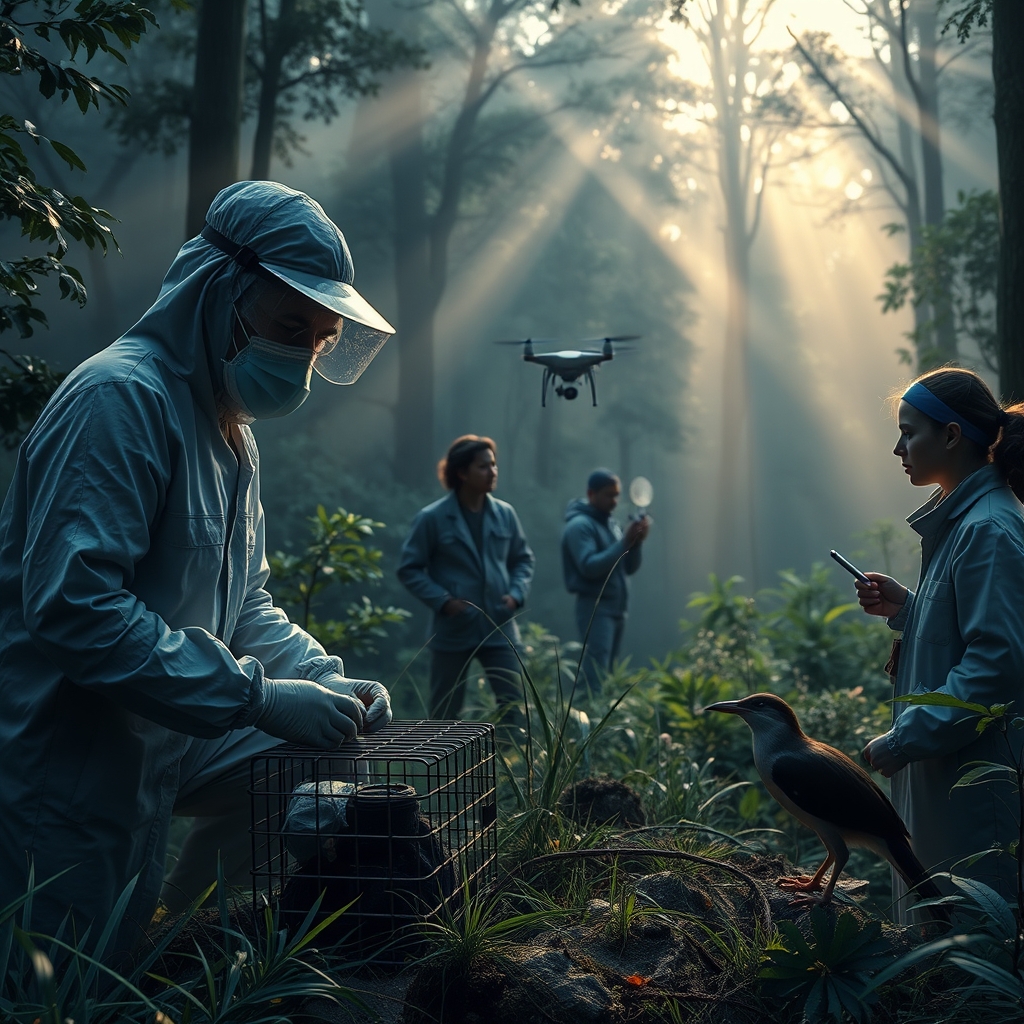
In an era where global travel and climate change blur the lines between human and animal habitats, zoonotic infections—diseases transmitted from animals to humans—are emerging as one of the most pressing challenges in public health. These pathogens, once confined to remote ecosystems, now pose a growing threat to communities worldwide, demanding urgent attention from researchers, policymakers, and healthcare providers alike. The recent resurgence of diseases like Hantavirus and avian influenza (bird flu) serves as a stark reminder of how interconnected our health is with the natural world, and how quickly these threats can escalate into full-blown crises.
The Hantavirus Threat: A Silent but Deadly Resurgence
Hantaviruses, primarily carried by rodents, have long been a concern in rural and wilderness areas, but their potential to cause severe respiratory illness in humans has taken on new urgency. The virus, transmitted through contact with infected rodent urine, droppings, or saliva, can lead to Hantavirus Pulmonary Syndrome (HPS), a condition with a mortality rate as high as 38%. While cases have historically been sporadic, recent outbreaks in regions like South America and the southwestern United States have raised alarms about the virus’s evolving transmission dynamics.
What makes Hantavirus particularly insidious is its ability to thrive in environments altered by human activity. Deforestation, urban expansion, and climate change are pushing rodents into closer contact with human populations, increasing the risk of spillover events. Unlike more high-profile pathogens, Hantavirus lacks a vaccine or specific treatment, leaving public health officials to rely on prevention strategies such as rodent control and public education. The challenge lies in balancing these efforts with the need to address other pressing health threats, from antimicrobial resistance to the lingering effects of Long Covid.
Bird Flu Transmission: The Next Pandemic on the Horizon?
Avian influenza, or bird flu, has been on the radar of epidemiologists for decades, but recent developments have intensified concerns about its potential to trigger a global pandemic. The H5N1 strain, in particular, has demonstrated an alarming ability to jump from birds to mammals, including humans, with a case fatality rate exceeding 50% in confirmed human infections. While sustained human-to-human transmission has yet to occur, the virus’s rapid mutation rate and expanding host range make it a ticking time bomb.
The agricultural industry is on the front lines of this battle, as large-scale poultry farms provide ideal conditions for the virus to spread and mutate. Outbreaks in commercial flocks have led to mass culling, economic losses, and heightened surveillance in wild bird populations. Meanwhile, health authorities are racing to develop vaccines and antiviral treatments that can keep pace with the virus’s evolution. The stakes are high: a single mutation could transform bird flu from a localized threat into a global catastrophe, rivaling or even surpassing the impact of COVID-19.
Norovirus and Food Poisoning: The Overlooked Public Health Burden
While zoonotic infections dominate headlines, more familiar pathogens like norovirus continue to exact a heavy toll on public health. Responsible for the majority of foodborne illness outbreaks worldwide, norovirus is highly contagious and can spread rapidly in settings like schools, cruise ships, and healthcare facilities. Symptoms—including severe vomiting, diarrhea, and dehydration—can be debilitating, particularly for vulnerable populations such as children, the elderly, and those with compromised immune systems.
The rise of antimicrobial resistance (AMR) has further complicated the fight against foodborne pathogens. Overuse of antibiotics in agriculture and medicine has led to the emergence of resistant strains of bacteria like Salmonella and E. coli, making infections harder to treat and increasing the risk of severe outcomes. Public health campaigns emphasizing hand hygiene, proper food handling, and vaccination (where available) remain critical tools in mitigating these risks, but complacency could have dire consequences.
Bridging the Gaps: Childhood Immunization and Adolescent Mental Health
The resurgence of vaccine-preventable diseases like measles underscores the fragility of public health infrastructure in the face of misinformation and declining immunization rates. Childhood immunization gaps, driven by vaccine hesitancy and disruptions caused by the COVID-19 pandemic, have left millions of children vulnerable to preventable illnesses. The consequences extend beyond individual health, as low vaccination rates can lead to outbreaks that strain healthcare systems and divert resources from other critical areas, including zoonotic disease surveillance.
At the same time, the mental health of adolescents is emerging as a parallel crisis, with rising rates of depression, severe anxiety, and other mood disorders. The pandemic has exacerbated these trends, with prolonged isolation, academic stress, and uncertainty about the future taking a toll on young minds. Neuroinflammation, linked to chronic stress and immune dysregulation, is increasingly recognized as a contributing factor to these conditions, highlighting the need for holistic approaches to adolescent health that address both physical and mental well-being.
The Long Game: Addressing the Root Causes of Zoonotic Spillover
Preventing future zoonotic outbreaks requires a multifaceted approach that goes beyond reactive measures like quarantine and vaccination. At its core, the challenge is about understanding and mitigating the drivers of spillover events, from deforestation and wildlife trade to climate change and urbanization. One Health, a collaborative framework that integrates human, animal, and environmental health, offers a promising path forward. By fostering cross-disciplinary research and policy coordination, One Health initiatives aim to identify and address the root causes of zoonotic disease emergence before they escalate into crises.
Investments in early detection systems, such as wastewater surveillance and wildlife monitoring, can provide critical lead time for containing outbreaks before they spread. Equally important is strengthening global health security through equitable access to vaccines, diagnostics, and treatments. The COVID-19 pandemic laid bare the consequences of inequity in healthcare, with low- and middle-income countries bearing the brunt of delayed vaccine distribution. A more just and resilient global health system is not only a moral imperative but a practical necessity in an era of interconnected threats.
As we navigate this complex landscape, the lessons of the past decade are clear: the health of humans, animals, and the planet are inextricably linked. The choices we make today—whether in land use, agricultural practices, or healthcare policy—will shape the trajectory of zoonotic diseases for generations to come. The time to act is now, not when the next outbreak is already at our doorstep. By embracing a proactive, collaborative, and science-driven approach, we can turn the tide on zoonotic infections and build a healthier, more resilient future for all.