The Invisible Storm: How Neuroinflammation and Sarcopenia Are Accelerating Age-Related Decline
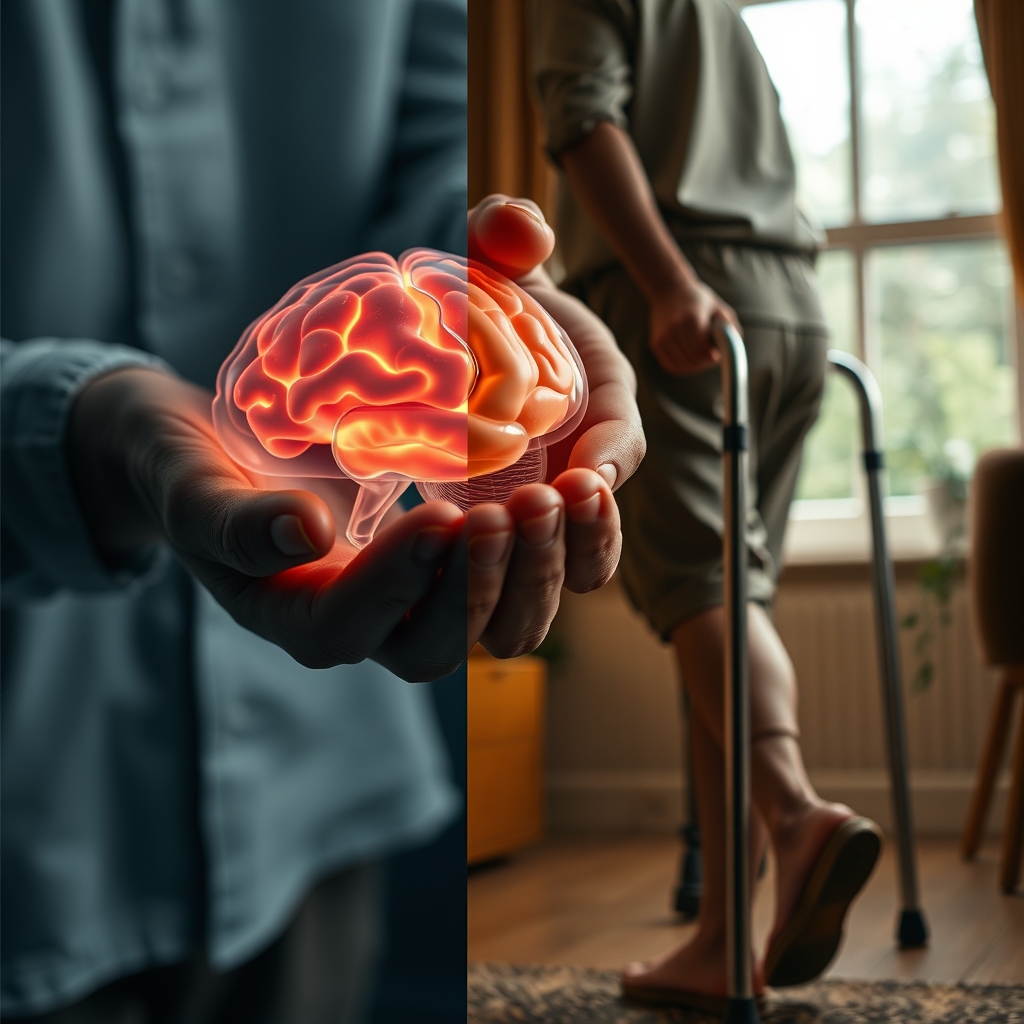
In the quiet spaces between health and disease, an invisible storm often brews—one that doesn’t announce itself with fever or pain but erodes the body and mind with relentless subtlety. Neuroinflammation and sarcopenia, two seemingly distinct conditions, are increasingly recognized as interconnected forces driving age-related decline. Their convergence doesn’t just threaten mobility or cognitive sharpness; it reshapes the very trajectory of aging, turning what should be the golden years into a landscape of vulnerability. Understanding this link isn’t just about adding years to life but ensuring those years are lived with vitality and independence.
The Silent Saboteurs: Defining Neuroinflammation and Sarcopenia
Neuroinflammation refers to the chronic, low-grade activation of the brain’s immune system, a process that, while initially protective, can become destructive when it persists. Unlike acute inflammation, which acts as a defense mechanism, chronic neuroinflammation is like a fire that never fully extinguishes. It smolders in the background, damaging neurons, disrupting neural networks, and contributing to cognitive decline. Conditions like Alzheimer’s disease, Parkinson’s, and even depression have been linked to this persistent inflammatory state, suggesting that the brain’s immune response may be as much a part of the problem as the solution.
Sarcopenia, on the other hand, is the age-related loss of muscle mass and strength. It’s not merely a consequence of inactivity or poor nutrition, though those factors exacerbate it. Instead, sarcopenia is driven by a complex interplay of hormonal changes, mitochondrial dysfunction, and—critically—inflammation. As muscle tissue degrades, the body’s metabolic resilience weakens, increasing the risk of falls, fractures, and a cascade of secondary health issues. What makes sarcopenia particularly insidious is its gradual onset; it often goes unnoticed until it’s too late to reverse its effects entirely.
The Hidden Thread: How Inflammation Bridges Brain and Body
The connection between neuroinflammation and sarcopenia lies in the body’s shared inflammatory pathways. Chronic inflammation doesn’t confine itself to one system; it permeates the entire body, creating a feedback loop where the brain and muscles influence each other’s decline. For instance, pro-inflammatory cytokines—molecules released during inflammation—can cross the blood-brain barrier, exacerbating neuroinflammation while simultaneously accelerating muscle breakdown. This dual assault weakens the body’s ability to repair itself, leaving both cognitive function and physical strength in a precarious state.
Research has shown that individuals with elevated levels of inflammatory markers, such as C-reactive protein (CRP) and interleukin-6 (IL-6), are more likely to experience both cognitive impairment and muscle wasting. This suggests that inflammation acts as a common denominator, linking what were once thought to be separate aging processes. The implications are profound: addressing inflammation could potentially slow the progression of both neurocognitive decline and sarcopenia, offering a two-for-one benefit in the fight against aging.
The Role of Lifestyle: Can We Outrun the Storm?
If inflammation is the thread weaving neuroinflammation and sarcopenia together, lifestyle factors are the scissors that can either tighten or loosen its grip. Diet, exercise, sleep, and stress management all play pivotal roles in modulating inflammation. For example, the Mediterranean diet—rich in anti-inflammatory foods like olive oil, fatty fish, and leafy greens—has been shown to reduce markers of neuroinflammation and improve muscle synthesis. Similarly, resistance training not only builds muscle but also lowers systemic inflammation, creating a protective effect for both the brain and body.
Sleep, often overlooked in discussions about aging, is another critical factor. Poor sleep quality or chronic sleep deprivation can elevate inflammatory markers, while restorative sleep supports the brain’s glymphatic system, which clears toxic proteins linked to neurodegeneration. Stress, too, cannot be ignored. Chronic stress triggers the release of cortisol, a hormone that, in excess, promotes inflammation and muscle catabolism. Mindfulness practices, social engagement, and even pet ownership have been shown to mitigate stress and its inflammatory effects, offering accessible tools for resilience.
Medical Interventions: Beyond the Band-Aid
While lifestyle changes are foundational, medical interventions are increasingly targeting the root causes of neuroinflammation and sarcopenia. Anti-inflammatory drugs, such as nonsteroidal anti-inflammatory drugs (NSAIDs) and biologics, are being explored for their potential to slow cognitive decline and preserve muscle mass. However, these treatments come with risks, including gastrointestinal issues and immune suppression, highlighting the need for more targeted therapies.
Emerging research is focusing on senolytic drugs, which selectively clear senescent cells—aged cells that secrete pro-inflammatory factors and contribute to tissue dysfunction. Early studies suggest these drugs may improve both cognitive function and muscle strength in animal models, though human trials are still in their infancy. Another promising avenue is the use of metformin, a diabetes drug that has shown anti-inflammatory and neuroprotective effects in preclinical studies. Its potential to address both metabolic dysfunction and age-related decline makes it a compelling candidate for further investigation.
The Social Dimension: Why Isolation Accelerates Decline
Health is not just a biological phenomenon but a social one. Loneliness and social isolation have been linked to increased inflammation, cognitive decline, and muscle wasting, creating a vicious cycle where physical and mental health deteriorate in tandem. Older adults who maintain strong social connections tend to have lower levels of inflammatory markers and better cognitive function, underscoring the importance of community in healthy aging. Programs that foster intergenerational interaction, volunteerism, or even virtual socialization can provide protective benefits, reminding us that human connection is as vital to health as diet or exercise.
The interplay between neuroinflammation and sarcopenia is a reminder that the body and mind are not separate entities but deeply interconnected systems. As science unravels the mechanisms linking these conditions, it becomes clear that the strategies to combat them must be equally holistic. Whether through diet, exercise, medical innovation, or social engagement, the goal is the same: to quiet the storm before it leaves irreversible damage in its wake. The choices we make today—how we move, what we eat, how we connect—will determine whether aging is a gradual decline or a journey of resilience and vitality. The storm may be invisible, but its path is not inevitable.