The Cortisol-Gut Axis: How Microbiome Balance and Wearable Tech Are Rewiring Stress Resilience and Metabolic Health
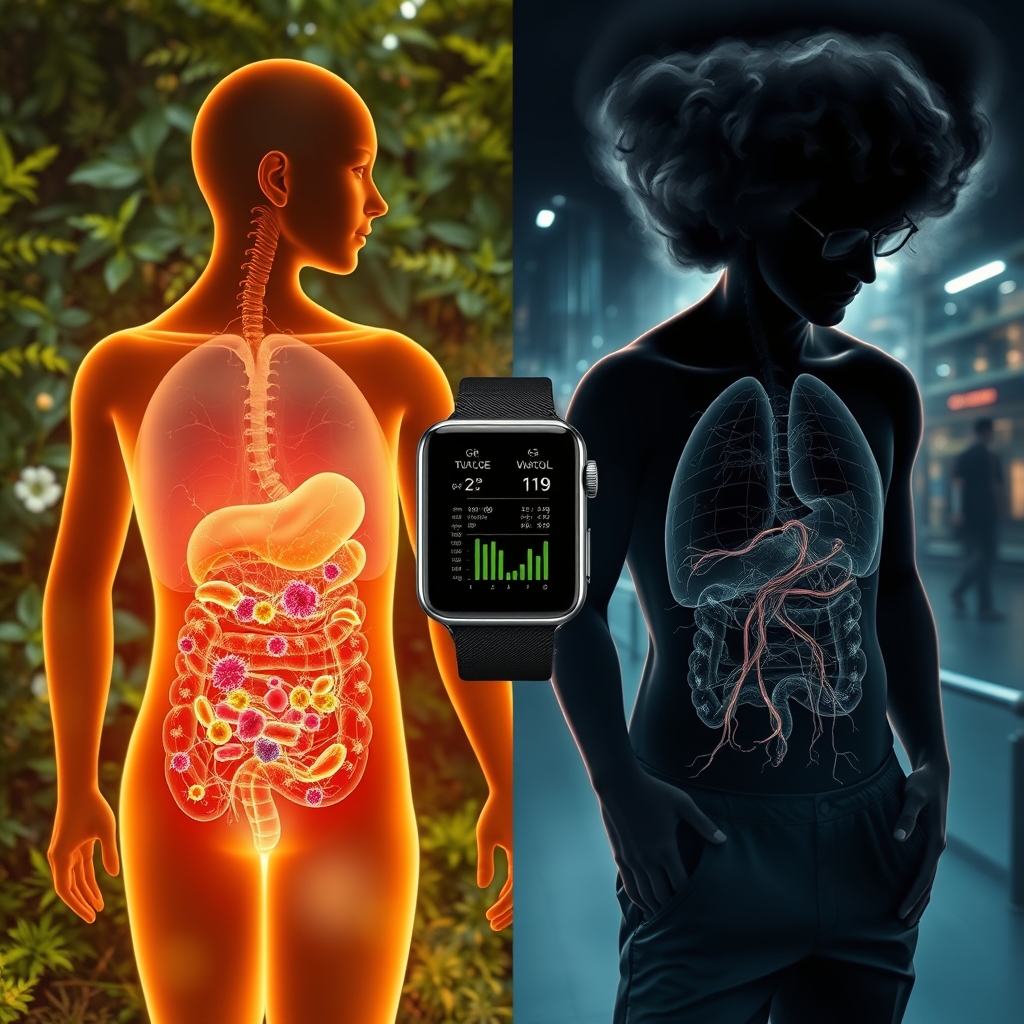
Stress is an inevitable part of modern life, but its silent partner—cortisol—often goes unnoticed until it begins to erode our health. This hormone, released by the adrenal glands in response to stress, is essential for survival, yet chronic elevation can disrupt everything from metabolism to immune function. What if the key to managing cortisol lies not just in the mind, but in the trillions of microorganisms residing in our gut? Emerging research is uncovering a profound connection between the gut microbiome and cortisol regulation, revealing a two-way street where stress reshapes microbial communities, and those communities, in turn, influence how we respond to stress. This intricate dance is now being decoded with the help of wearable health technology, offering a new frontier in personalized stress management and metabolic wellness.
The Gut’s Role in Cortisol Regulation
The gut microbiome is a dynamic ecosystem that communicates with the brain via the gut-brain axis, a bidirectional highway of signals involving the vagus nerve, immune system, and metabolic byproducts. When cortisol levels spike, they can alter the composition of gut bacteria, reducing microbial diversity and favoring strains that thrive in inflammatory environments. Conversely, an imbalanced microbiome can exacerbate cortisol production, creating a feedback loop that perpetuates stress and metabolic dysfunction. Studies have shown that individuals with high stress levels often exhibit lower levels of beneficial bacteria like Lactobacillus and Bifidobacterium, which are known to produce neurotransmitters like GABA and serotonin—chemicals that promote calm and emotional balance.
This relationship extends beyond mood. Cortisol is a catabolic hormone, meaning it breaks down tissues to release energy, a process that can become problematic when chronically elevated. Over time, this can lead to muscle wasting, insulin resistance, and increased visceral fat—hallmarks of metabolic syndrome. The gut microbiome plays a critical role in modulating this response. For instance, short-chain fatty acids (SCFAs) like butyrate, produced by certain gut bacteria, have been shown to reduce inflammation and improve insulin sensitivity, counteracting some of cortisol’s harmful effects. By nurturing a diverse and resilient microbiome, we may be able to buffer the body against the metabolic fallout of chronic stress.
Wearable Tech: The Bridge Between Data and Action
Understanding the cortisol-gut connection is one thing; applying that knowledge in real time is another. This is where wearable health technology steps in, offering a window into the body’s stress responses and metabolic fluctuations. Devices like continuous glucose monitors (CGMs), heart rate variability (HRV) trackers, and cortisol-sensing wearables provide a continuous stream of data, allowing users to observe how stress, diet, and lifestyle choices impact their physiology. For example, a sudden drop in HRV—a marker of autonomic nervous system balance—can signal rising cortisol levels, prompting interventions like deep breathing, somatic exercises, or even dietary adjustments to support gut health.
Some of the most advanced wearables now integrate microbiome data with stress metrics, creating a holistic picture of how gut health and cortisol interact. Apps paired with these devices can recommend personalized strategies, such as probiotic-rich foods or prebiotic fibers, to nurture beneficial bacteria during periods of high stress. They can also suggest timing for meals or supplements to align with the body’s natural cortisol rhythms, optimizing metabolic function. For instance, consuming complex carbohydrates and healthy fats in the evening may help stabilize blood sugar and support melatonin production, counteracting cortisol’s disruptive effects on sleep.
Personalized Nutrition: Feeding the Gut to Calm the Mind
Diet is one of the most powerful levers we have to influence both the gut microbiome and cortisol levels. Personalized nutrition, informed by microbiome testing and wearable data, is emerging as a game-changer in stress resilience. Certain foods can either exacerbate or mitigate cortisol’s effects. For example, diets high in refined sugars and processed foods have been linked to increased cortisol production and gut dysbiosis, while whole foods rich in fiber, polyphenols, and omega-3 fatty acids promote microbial diversity and reduce inflammation.
Fermented foods like kefir, sauerkraut, and kimchi are particularly potent allies, as they introduce beneficial bacteria that can enhance gut barrier integrity and reduce systemic inflammation. Meanwhile, foods rich in magnesium—such as leafy greens, nuts, and seeds—help regulate the hypothalamic-pituitary-adrenal (HPA) axis, the system responsible for cortisol production. Wearable tech can help individuals identify which foods trigger stress responses or metabolic imbalances, allowing for real-time adjustments to their diet. For example, a CGM might reveal that a seemingly healthy smoothie spikes blood sugar and cortisol, prompting a switch to a lower-glycemic alternative.
Somatic Practices: Rewiring the Stress Response
While diet and technology play crucial roles, the mind-body connection is equally vital in managing cortisol. Somatic practices—such as yoga, tai chi, and breathwork—have been shown to lower cortisol levels and improve gut health by reducing inflammation and enhancing parasympathetic nervous system activity. These practices work by engaging the vagus nerve, which acts as a communication highway between the gut and brain. When activated, the vagus nerve signals the body to shift from a state of fight-or-flight to rest-and-digest, lowering cortisol and promoting microbial balance.
Wearable tech can enhance the effectiveness of somatic practices by providing biofeedback. For example, HRV trackers can guide users to adjust their breathing rate to maximize vagal tone, while electrodermal activity sensors can indicate when the body is in a relaxed state. Over time, these practices can rewire the brain’s stress response, making it less reactive to triggers and more resilient in the face of adversity. The gut microbiome benefits as well, as reduced stress levels create a more hospitable environment for beneficial bacteria to thrive.
The Future of Stress Resilience: A Holistic Approach
The cortisol-gut axis is a reminder that our bodies are not isolated systems but interconnected networks where every component influences the others. By leveraging the power of the gut microbiome, wearable technology, and mindful practices, we can begin to break the cycle of chronic stress and its metabolic consequences. The future of stress resilience lies in personalization—using data to tailor interventions that address the unique ways our bodies respond to stress. Whether it’s through a probiotic-rich diet, real-time biofeedback, or somatic exercises, the tools to rewire our stress response are within reach.
As we continue to unravel the complexities of this relationship, one thing is clear: the path to metabolic health and emotional well-being is not just about managing stress in the mind, but also about nurturing the trillions of microscopic allies in our gut. With each step we take to understand and support this connection, we move closer to a future where stress no longer dictates our health, but instead becomes a manageable part of a vibrant, resilient life.