The Pulse of Progress: How Real-Time Health Analytics and Collaborative Care Models Are Crafting the Future of Personalized Medicine
In an era where healthcare is rapidly evolving, the fusion of technology and human-centric principles is creating a paradigm shift in how we approach wellness. The traditional model of reactive, one-size-fits-all medicine is giving way to a more dynamic, responsive, and personalized framework. At the heart of this transformation lies the power of real-time health analytics and collaborative care models, which together are redefining the boundaries of patient-centric wellness plans. These innovations are not just enhancing clinical outcomes but are also fostering a deeper connection between patients and their care teams, ensuring that every step of the journey is as unique as the individual it serves.
The Power of Now: Real-Time Health Analytics
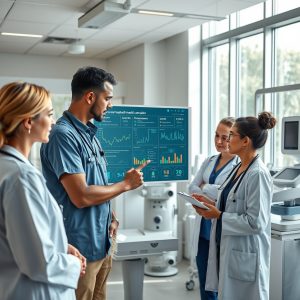
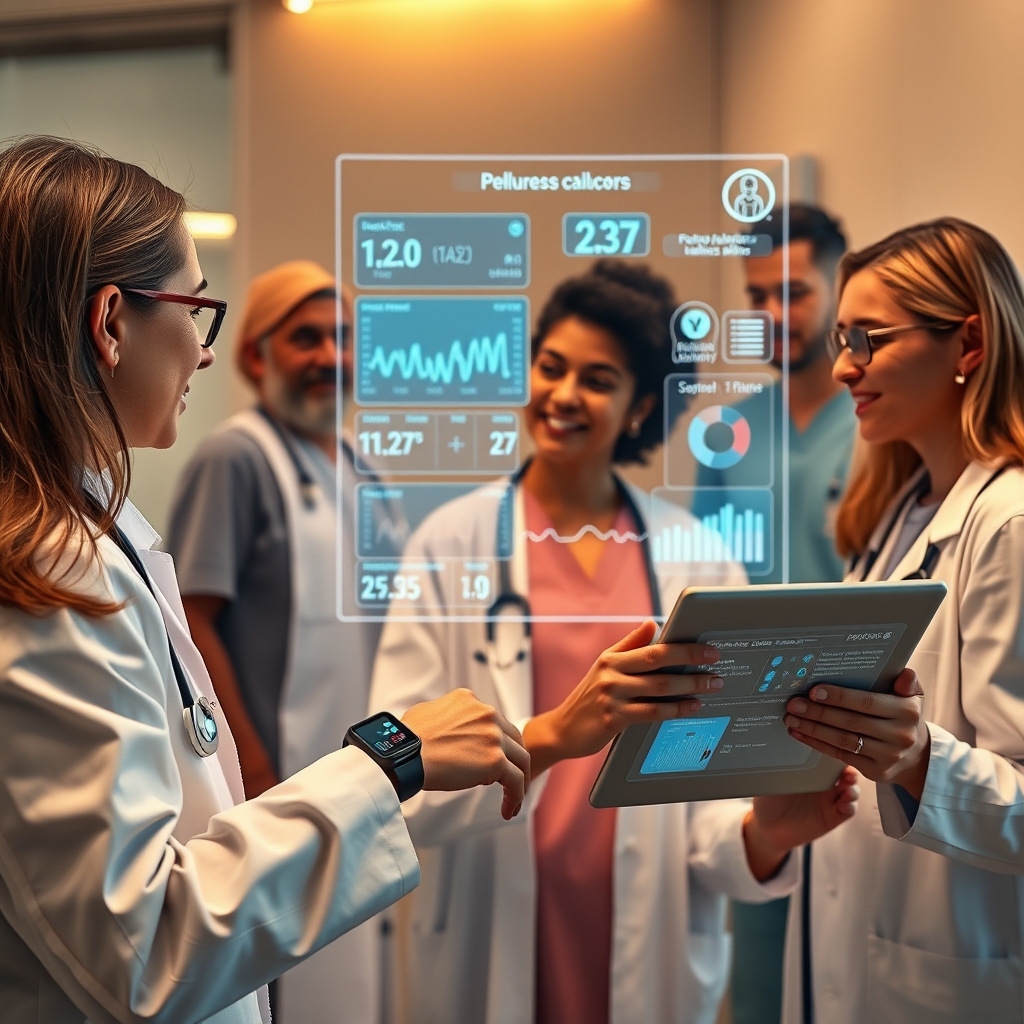
The ability to monitor health metrics in real time is one of the most groundbreaking advancements in modern medicine. Wearable devices, remote monitoring tools, and advanced software platforms are now capable of collecting and analyzing data instantaneously, providing clinicians with a continuous stream of insights into a patient’s physiological state. This digital health monitoring capability is particularly transformative for chronic disease management, where early detection of anomalies can prevent complications and reduce hospitalizations.
For example, patients with diabetes can now use continuous glucose monitors that sync with mobile apps, alerting both the patient and their healthcare provider to dangerous fluctuations in blood sugar levels. Similarly, individuals with cardiovascular conditions can benefit from smartwatches that track heart rate variability, arrhythmias, and even detect potential signs of atrial fibrillation. These tools don’t just passively collect data—they empower patients to take an active role in their health while enabling clinicians to make data-driven clinical decisions with unprecedented precision.
From Data to Actionable Insights
The true value of real-time health analytics lies not in the data itself, but in how it is interpreted and acted upon. Advanced algorithms and machine learning models can sift through vast amounts of information to identify patterns, predict risks, and recommend interventions. This shift from reactive to preventive treatment protocols is a cornerstone of modern healthcare, allowing for earlier interventions and more effective management of health conditions.
Consider a scenario where a patient’s wearable device detects a gradual increase in blood pressure over several days. Instead of waiting for the next scheduled appointment, the system can trigger an alert to the care team, prompting a telehealth consultation or an adjustment in medication. This responsive treatment adjustment ensures that care is not just timely but also tailored to the patient’s evolving needs. The result is a healthcare experience that is proactive, personalized, and profoundly more effective.
The Human Touch in a Digital Age: Collaborative Care Models
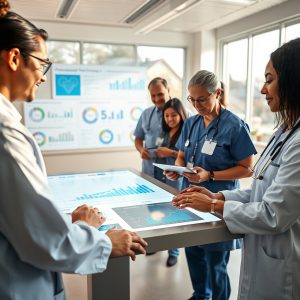
While technology is a powerful enabler, the essence of healthcare remains deeply human. Collaborative care models are designed to bridge the gap between cutting-edge innovation and the empathetic, personalized touch that patients crave. These models bring together multidisciplinary teams—including physicians, nurses, therapists, nutritionists, and even social workers—to create a holistic support system for the patient. The goal is to ensure that every aspect of a patient’s well-being is addressed, from physical health to mental and emotional resilience.
One of the most compelling examples of this approach is seen in the management of complex chronic conditions like cancer or mental health disorders. In these cases, a patient’s journey is rarely linear, and their needs can change rapidly. A collaborative care team can dynamically adjust integrated therapeutic approaches, ensuring that treatments are not only evidence-based but also aligned with the patient’s personal goals and preferences. For instance, a cancer patient undergoing chemotherapy might benefit from a care plan that includes not just medical treatment but also nutritional support, psychological counseling, and physical therapy—all coordinated seamlessly through a unified platform.
Breaking Down Silos for Seamless Care
One of the biggest challenges in traditional healthcare systems is the fragmentation of care. Patients often find themselves navigating a maze of specialists, each focused on a specific aspect of their health, with little communication between them. Seamless care coordination aims to eliminate these silos by creating a unified, patient-centered ecosystem where information flows freely between providers. Electronic health records (EHRs), secure messaging platforms, and shared care plans are just a few of the tools that make this possible.
Imagine a patient with multiple chronic conditions—say, diabetes, hypertension, and depression. In a collaborative care model, their primary care physician, endocrinologist, cardiologist, and mental health provider would all have access to the same up-to-date information, allowing them to coordinate treatments and avoid conflicting therapies. This not only improves clinical outcomes but also enhances the patient experience optimization, reducing frustration and fostering a sense of trust and partnership between the patient and their care team.
Crafting Bespoke Recovery Journeys
The ultimate goal of integrating real-time health analytics and collaborative care models is to create bespoke recovery journeys that are as unique as the individuals they serve. These journeys are not static; they evolve in response to the patient’s progress, setbacks, and changing needs. By leveraging adaptive recovery strategies, healthcare providers can ensure that treatments remain effective and relevant throughout the patient’s lifespan.
For example, a patient recovering from a stroke might begin their journey with intensive physical therapy, but as they regain mobility, their care plan could shift to focus more on cognitive rehabilitation or emotional support. Real-time analytics can track their progress, while a collaborative care team can adjust interventions in real time, ensuring that the patient remains on the most effective path to recovery. This approach is not just about treating illness—it’s about empowering patients to achieve their fullest potential, whatever that may look like for them.
The future of healthcare is not just about adopting new technologies or methodologies—it’s about reimagining the entire patient experience. By embracing real-time health analytics and collaborative care models, we are moving toward a system where care is not just personalized but also proactive, predictive, and profoundly human. In this new era, the focus shifts from treating diseases to nurturing wellness, from managing symptoms to empowering lives. The tools and strategies we have today are just the beginning; the true potential lies in how we choose to use them to create a healthier, more connected world.