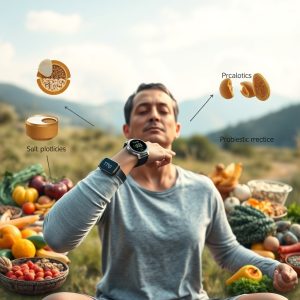
The Gut-Brain-Cortisol Nexus: How Wearable Tech, Gut Health, and Sleep Hygiene Are Redefining Mental Health and Stress Resilience

In the quest for optimal mental health and stress resilience, a trio of interconnected factors has emerged as a powerful nexus: gut health, cortisol regulation, and sleep hygiene. These elements are intricately linked, and advancements in wearable health technology are providing unprecedented insights into their interplay. By understanding and optimizing this nexus, we can unlock new frontiers in mental wellness and longevity.
The Gut-Brain-Cortisol Nexus
The gut-brain-cortisol nexus is a complex network of communication between the gut microbiome, the brain, and the hormone cortisol. The gut microbiome, a vast ecosystem of microorganisms residing in the gastrointestinal tract, plays a crucial role in maintaining overall health. Emerging research suggests that the gut microbiome can influence mental health by producing neurotransmitters, modulating the immune system, and even affecting the production of cortisol.
The Gut-Brain Axis
The gut-brain axis is a bidirectional communication system between the gut and the brain. It involves the production of neurotransmitters like serotonin and gamma-aminobutyric acid (GABA) by the gut microbiome, which can influence mood and behavior. Additionally, the gut-brain axis is influenced by the vagus nerve, a major nerve connecting the gut to the brain, and the enteric nervous system, a network of neurons within the gut.
Cortisol Regulation
Cortisol, often referred to as the stress hormone, is produced by the adrenal glands in response to stress. While cortisol is essential for survival, chronic elevated levels can have detrimental effects on mental health, immune function, and overall well-being. The gut microbiome plays a significant role in cortisol regulation by influencing the production of short-chain fatty acids (SCFAs), which can modulate the hypothalamic-pituitary-adrenal (HPA) axis, the body’s main stress response system.
Wearable Health Technology
Wearable health technology, such as smartwatches and fitness trackers, has revolutionized the way we monitor and manage our health. These devices can provide valuable insights into various aspects of our well-being, including heart rate variability, sleep quality, and physical activity. By integrating data from wearable health technology with insights from the gut-brain-cortisol nexus, we can gain a more comprehensive understanding of our health and make more informed decisions about our well-being.
Monitoring Gut Health
While wearable health technology cannot directly measure gut health, it can provide indirect insights into its state. For example, heart rate variability (HRV) can be influenced by the gut microbiome, as the vagus nerve plays a crucial role in both systems. By monitoring HRV, we can gain a better understanding of the overall health of our autonomic nervous system, which is influenced by the gut microbiome.
Tracking Cortisol Levels
While wearable health technology cannot directly measure cortisol levels, it can provide valuable insights into the body’s stress response. For example, heart rate and blood pressure can be influenced by cortisol levels, and wearable devices can monitor these parameters. Additionally, sleep quality and duration can be influenced by cortisol levels, and wearable devices can track these metrics.
Sleep Hygiene
Sleep hygiene refers to the practices and habits that promote good sleep. Good sleep hygiene is essential for optimal mental health and stress resilience, as sleep plays a crucial role in the regulation of cortisol levels, the consolidation of memories, and the repair of the body. By prioritizing sleep hygiene, we can support the body’s natural stress response system and promote overall well-being.
The Role of Sleep in Cortisol Regulation
During sleep, the body undergoes a natural cycle of cortisol secretion, with levels typically peaking in the early morning and declining throughout the day. This circadian rhythm is regulated by the suprachiasmatic nucleus (SCN) in the brain, which is influenced by the gut microbiome. By promoting good sleep hygiene, we can support the body’s natural cortisol regulation and reduce the risk of chronic stress.
Wearable Tech and Sleep Hygiene
Wearable health technology can play a valuable role in promoting good sleep hygiene by providing insights into sleep quality, duration, and patterns. For example, smartwatches and fitness trackers can track sleep stages, heart rate, and movement, providing valuable data for optimizing sleep hygiene. By using this data to make informed decisions about sleep, we can support the body’s natural stress response system and promote overall well-being.
In conclusion, the gut-brain-cortisol nexus is a powerful nexus of mental health and stress resilience. By understanding and optimizing this nexus, we can unlock new frontiers in mental wellness and longevity. Advancements in wearable health technology are providing unprecedented insights into the interplay of gut health, cortisol regulation, and sleep hygiene, paving the way for a new era of personalized, preventive healthcare. As we continue to explore and harness the potential of this nexus, we can empower individuals to take control of their mental health and well-being, and pave the way for a healthier, happier future.