The Future of Longevity: How Wearable Health Tech and Metabolic Fitness Are Redefining Aging
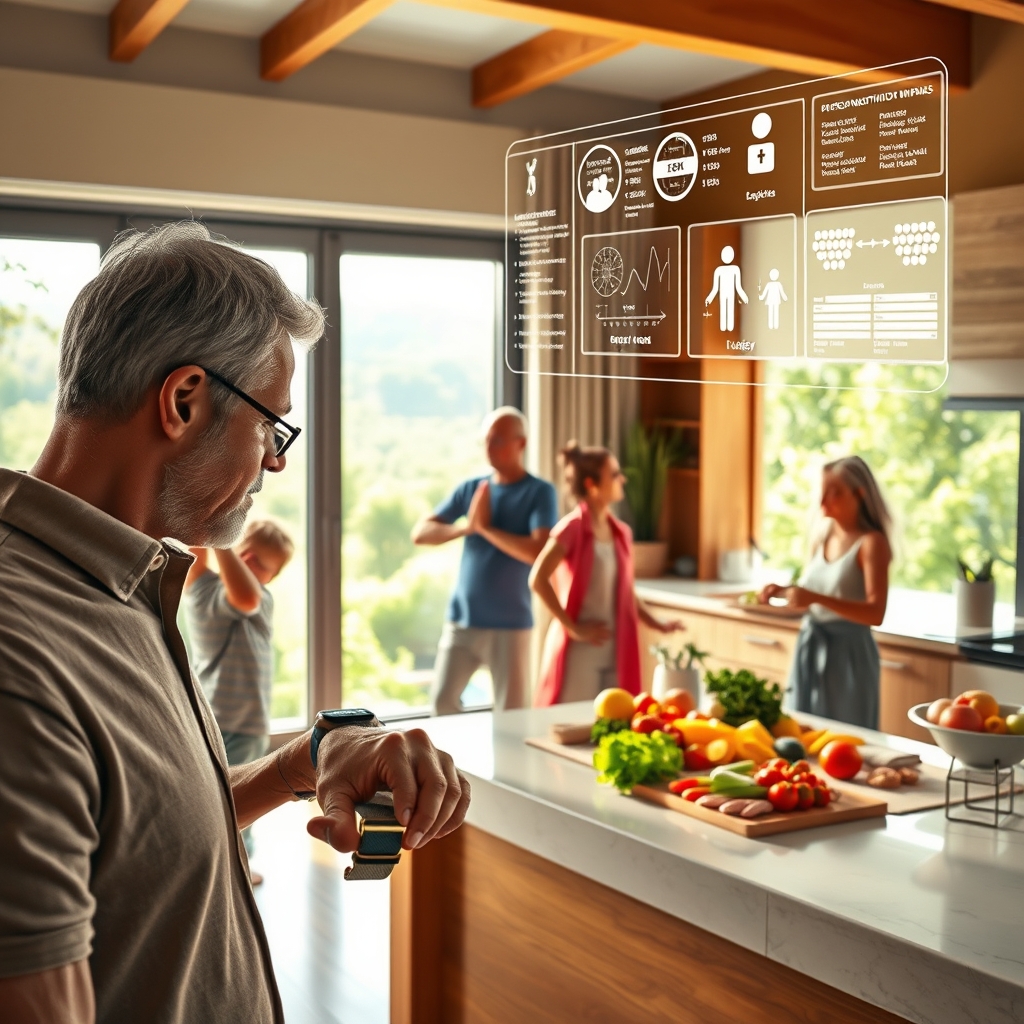
In an era where technology intersects with every aspect of our lives, health and longevity are no exception. The rise of wearable health technology and the growing emphasis on metabolic fitness are revolutionizing how we approach aging, offering tools that empower individuals to take control of their well-being like never before. From continuous glucose monitoring to advanced sleep tracking, these innovations are not just gadgets—they are gateways to a longer, healthier life.
The Rise of Wearable Health Technology
Wearable health technology has evolved far beyond simple step counters. Today’s devices, such as smartwatches and fitness trackers, are equipped with sensors that monitor heart rate variability, blood oxygen levels, and even stress responses. These tools provide real-time data, allowing users to make informed decisions about their health. For instance, continuous glucose monitors (CGMs) offer insights into how diet and lifestyle impact blood sugar levels, a critical factor in metabolic health and longevity.
The integration of artificial intelligence (AI) into these devices further enhances their capabilities. AI-driven algorithms analyze patterns in the data, offering personalized recommendations for improving sleep, managing stress, or optimizing workout routines. This level of customization was once reserved for elite athletes or patients in clinical settings, but it is now accessible to anyone with a smartphone and a wearable device.
Metabolic Fitness: The Key to Longevity
Metabolic fitness refers to the efficiency with which our bodies process energy, and it is increasingly recognized as a cornerstone of longevity. Poor metabolic health is linked to a host of age-related diseases, including diabetes, cardiovascular disease, and cognitive decline. By focusing on metabolic fitness, individuals can reduce their risk of these conditions and extend their healthspan—the period of life spent in good health.
One of the most effective ways to improve metabolic fitness is through intermittent fasting, a practice that has gained widespread popularity in recent years. Intermittent fasting involves cycling between periods of eating and fasting, which can enhance insulin sensitivity, promote cellular regeneration, and even support weight management. When combined with data from wearable devices, individuals can fine-tune their fasting windows to align with their body’s unique rhythms, maximizing the benefits.
The Role of Personalized Nutrition
Personalized nutrition is another critical component of metabolic fitness. No two bodies are alike, and what works for one person may not work for another. Wearable technology, such as CGMs, allows individuals to experiment with different foods and observe how their bodies respond in real time. This data-driven approach takes the guesswork out of nutrition, enabling people to tailor their diets to their specific metabolic needs.
For example, someone might discover that their blood sugar spikes after consuming certain carbohydrates, prompting them to adjust their diet to include more fiber-rich foods or healthy fats. Over time, these small changes can lead to significant improvements in metabolic health, reducing inflammation and lowering the risk of chronic disease.
Sleep Hygiene and Cortisol Regulation
Sleep is often overlooked in discussions about longevity, yet it is one of the most powerful tools we have for maintaining health. Poor sleep hygiene is linked to elevated cortisol levels, which can accelerate aging and weaken immune resilience. Wearable devices that track sleep patterns provide valuable insights into the quality and duration of sleep, helping users identify areas for improvement.
For instance, someone might notice that their deep sleep is consistently disrupted, leading them to explore strategies such as reducing screen time before bed, optimizing their sleep environment, or practicing relaxation techniques. By prioritizing sleep hygiene, individuals can regulate cortisol levels, improve cognitive function, and enhance their body’s ability to recover from daily stressors.
Active Recovery and Somatic Exercise
Active recovery and somatic exercise are emerging as essential practices for longevity. Unlike traditional workouts that focus solely on physical exertion, somatic exercises emphasize mind-body connection, helping to reduce stress and improve mobility. These practices, such as yoga or tai chi, can be particularly beneficial for older adults, as they promote flexibility, balance, and mental clarity.
Wearable technology can complement these practices by tracking metrics like heart rate variability (HRV), which is an indicator of the body’s readiness for recovery. By monitoring HRV, individuals can determine the best times to engage in active recovery or more intense physical activity, ensuring they strike the right balance between exertion and rest.
The Promise of Digital Therapeutics and Functional Medicine
Digital therapeutics and functional medicine are two fields that are reshaping preventive healthcare. Digital therapeutics involve the use of software-based interventions to treat or manage medical conditions. For example, apps that guide users through cognitive behavioral therapy (CBT) for stress management or provide personalized exercise plans for metabolic health are becoming increasingly popular.
Functional medicine, on the other hand, takes a holistic approach to health, focusing on identifying and addressing the root causes of disease. By combining data from wearable devices with functional medicine principles, individuals can gain a comprehensive understanding of their health and make proactive changes to prevent illness before it starts. This shift from reactive to preventive healthcare is a game-changer for longevity, as it empowers people to take charge of their well-being long before symptoms arise.
As we look to the future, the convergence of wearable health technology and metabolic fitness offers a promising path to extending not just our lifespan, but our healthspan. These tools provide the data and insights needed to make informed decisions about our health, while practices like intermittent fasting, personalized nutrition, and active recovery offer practical ways to optimize our bodies and minds. The journey to longevity is no longer about simply living longer—it’s about living better, and with the right tools and knowledge, that future is within reach.