The Gut-Immune-Cognition Triangle: How Personalized Nutrition, Wearable Tech, and Somatic Practices Are Enhancing Brain Resilience
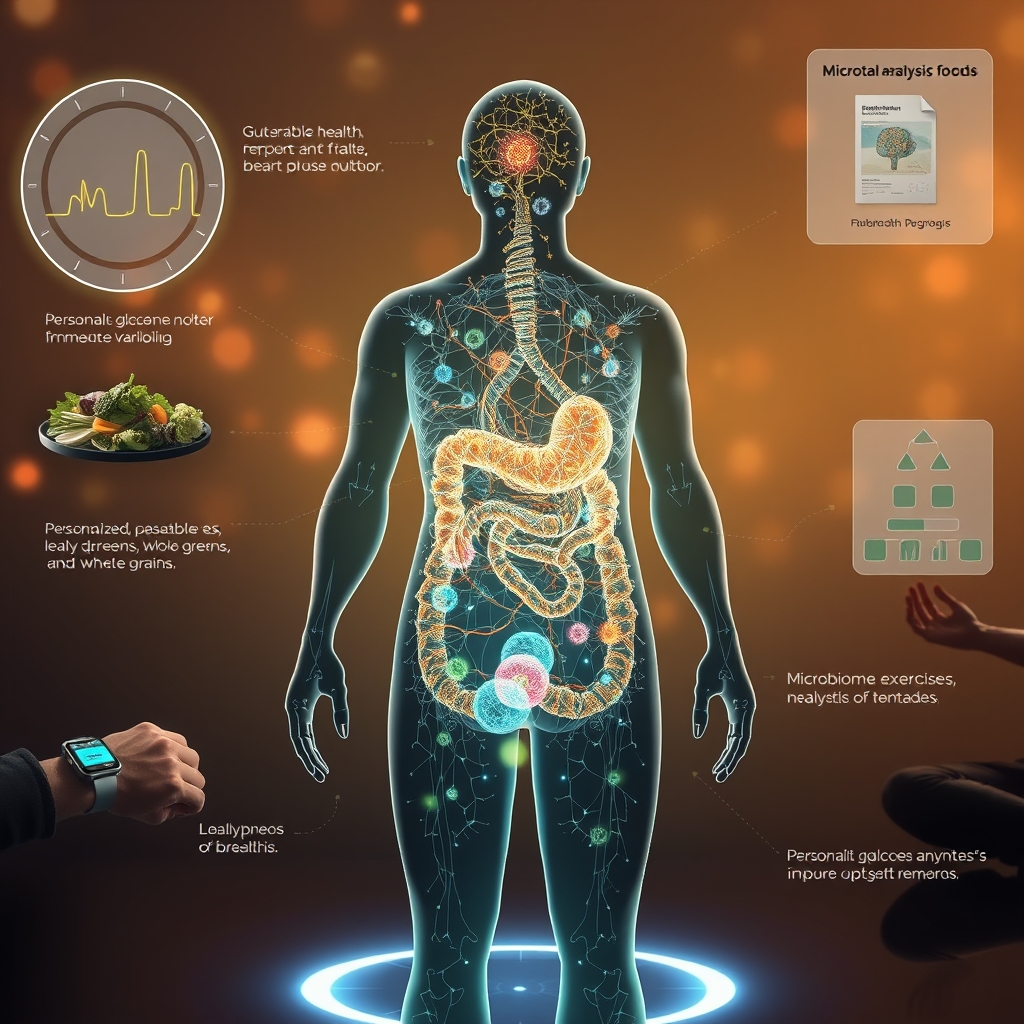
The intricate relationship between the gut, immune system, and cognitive function has long fascinated scientists, but recent advancements in personalized nutrition, wearable health technology, and somatic practices are now illuminating this connection with unprecedented clarity. Emerging research suggests that the trillions of microorganisms residing in our gut don’t just influence digestion—they play a pivotal role in shaping immune responses and cognitive health. This dynamic interplay, often referred to as the gut-immune-cognition triangle, is redefining our understanding of brain resilience and offering new pathways to optimize mental and physical well-being.
The Gut’s Role in Immune and Cognitive Health
The gut microbiome is a bustling ecosystem of bacteria, viruses, and fungi that communicates bidirectionally with the brain via the gut-brain axis. This communication highway is facilitated by the vagus nerve, immune signaling molecules, and metabolites produced by gut bacteria. When the microbiome is in balance, it supports a robust immune system and a resilient brain. However, disruptions—such as poor diet, chronic stress, or antibiotic overuse—can lead to dysbiosis, a state of microbial imbalance that has been linked to inflammation, cognitive decline, and even mood disorders like anxiety and depression.
One of the most compelling discoveries in this field is the role of short-chain fatty acids (SCFAs), such as butyrate, propionate, and acetate, which are produced by the fermentation of dietary fiber in the gut. SCFAs not only nourish the cells lining the colon but also modulate immune responses and cross the blood-brain barrier, where they influence neuroinflammation and neurotransmitter production. For example, butyrate has been shown to enhance the integrity of the blood-brain barrier, reducing the risk of neuroinflammatory conditions like Alzheimer’s disease.
Personalized Nutrition: Tailoring Diets to Support the Gut-Immune-Cognition Axis
The one-size-fits-all approach to nutrition is rapidly becoming obsolete as personalized nutrition takes center stage. Advances in microbiome testing and metabolic profiling now allow individuals to tailor their diets based on their unique gut composition, genetic predispositions, and health goals. For instance, someone with a microbiome low in butyrate-producing bacteria might benefit from a diet rich in resistant starches, found in foods like green bananas, oats, and cooked-and-cooled potatoes. Conversely, an individual with a high Firmicutes-to-Bacteroidetes ratio—a marker often associated with obesity—might focus on reducing processed foods and increasing fiber intake to restore balance.
Wearable health technology is further enhancing the precision of personalized nutrition. Continuous glucose monitors (CGMs), for example, provide real-time feedback on how different foods affect blood sugar levels, allowing users to make informed decisions about their diet. When combined with microbiome data, CGMs can help individuals identify which foods optimize their gut health, immune function, and cognitive performance. This synergy between technology and nutrition is empowering people to take proactive steps toward long-term brain resilience.
The Power of Somatic Practices in Regulating the Gut-Immune-Cognition Triangle
While diet is a cornerstone of gut and cognitive health, somatic practices—such as yoga, tai chi, and breathwork—are emerging as powerful tools to modulate the gut-immune-cognition triangle. These practices work by reducing chronic stress, which is a known disruptor of gut microbiome balance and immune function. Chronic stress elevates cortisol levels, which can alter gut permeability (often referred to as “leaky gut”) and trigger systemic inflammation. Over time, this inflammation can impair cognitive function and increase the risk of neurodegenerative diseases.
Somatic exercises help recalibrate the stress response by activating the parasympathetic nervous system, which promotes relaxation and digestion. For example, diaphragmatic breathing has been shown to lower cortisol levels, improve gut motility, and enhance immune function. Similarly, practices like yoga and tai chi have been linked to reductions in inflammatory markers, such as interleukin-6 (IL-6) and C-reactive protein (CRP), while also improving cognitive flexibility and emotional regulation. By integrating somatic practices into daily routines, individuals can create a feedback loop that supports both gut health and brain resilience.
Wearable Tech: Bridging the Gap Between Data and Action
The rise of wearable health technology has democratized access to real-time health data, enabling individuals to monitor and optimize their gut-immune-cognition triangle with unprecedented precision. Devices like smartwatches, CGMs, and even microbiome-tracking wearables provide insights into metrics such as heart rate variability (HRV), sleep quality, and glucose fluctuations—all of which are indirect indicators of gut health, immune function, and cognitive performance.
For example, HRV, a measure of the variation in time between heartbeats, is a reliable marker of autonomic nervous system balance. Low HRV is often associated with chronic stress, poor gut health, and cognitive decline, while high HRV indicates resilience and adaptability. By tracking HRV, individuals can identify patterns in their stress levels and adjust their lifestyle—such as incorporating more somatic practices or optimizing their diet—to improve their overall well-being.
Similarly, sleep-tracking wearables can reveal how disruptions in sleep hygiene—such as irregular sleep schedules or poor sleep quality—impact gut health and cognitive function. Poor sleep has been linked to increased gut permeability, higher levels of inflammation, and impaired memory consolidation. By addressing sleep issues, individuals can indirectly support their gut microbiome, immune system, and brain health.
The Future of Brain Resilience: Integrating Gut Health, Wearable Tech, and Somatic Practices
The convergence of personalized nutrition, wearable technology, and somatic practices is creating a new paradigm for brain resilience. This holistic approach recognizes that cognitive health is not isolated but deeply interconnected with gut and immune function. By leveraging data from wearables, individuals can make informed decisions about their diet and lifestyle, while somatic practices provide a tangible way to regulate stress and inflammation.
As research continues to unravel the complexities of the gut-immune-cognition triangle, one thing is clear: the future of brain health lies in a personalized, integrative approach. Whether it’s through optimizing the microbiome with fiber-rich foods, using CGMs to fine-tune metabolic responses, or practicing breathwork to lower cortisol, the tools to enhance cognitive resilience are more accessible than ever. The key is to listen to the body’s signals, embrace the synergy of these modalities, and take proactive steps toward a healthier, more resilient mind.