The Hidden Link Between Gut Health and Cognitive Resilience: How Somatic Practices and Wearable Tech Are Bridging the Gap
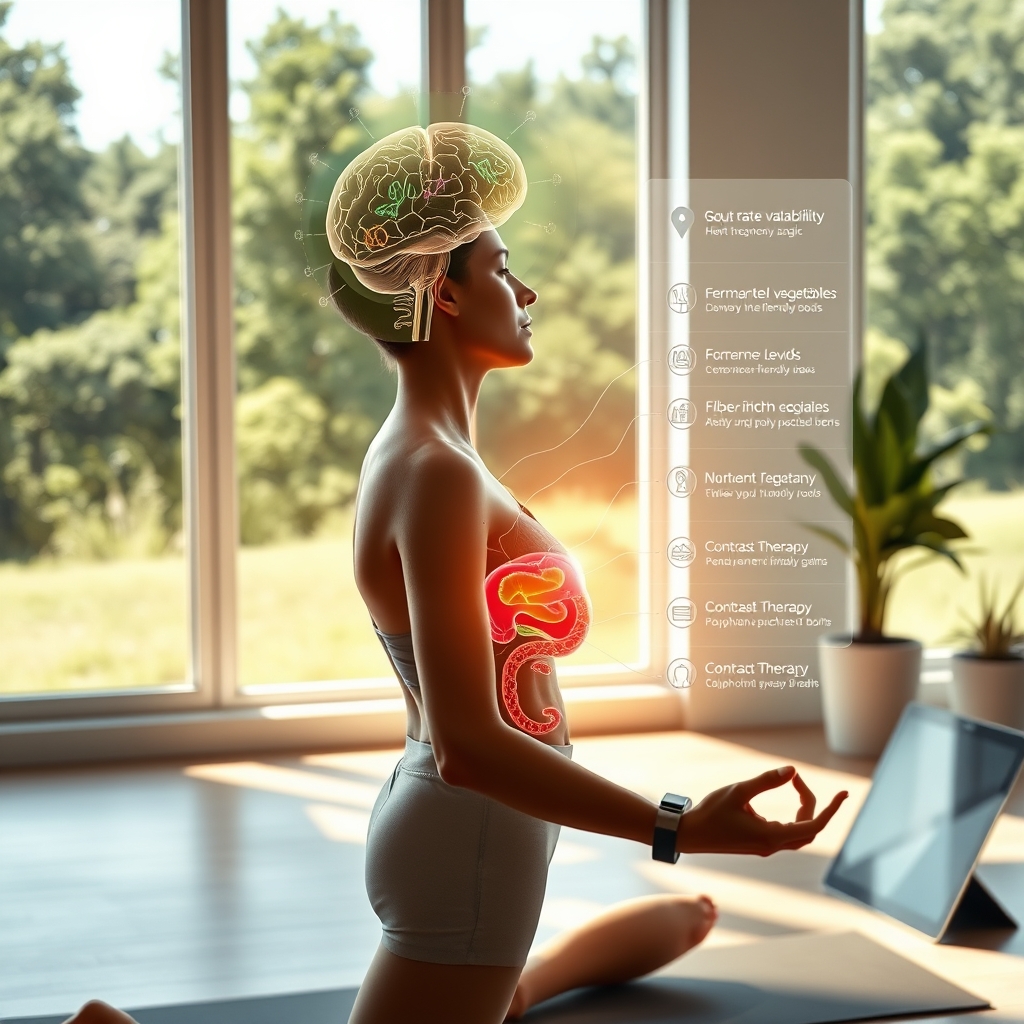
The modern world moves at a relentless pace, often leaving our cognitive and emotional well-being struggling to keep up. While we’ve long understood the importance of mental health, emerging research is revealing a profound connection between the gut microbiome and cognitive resilience—a link that could redefine how we approach brain health. This relationship is not just about digestion; it’s about how the trillions of microorganisms in our gut communicate with our brain, influencing everything from mood to memory. And now, with the advent of wearable health technology and somatic practices, we’re beginning to unlock new ways to nurture this connection for lasting cognitive vitality.
The Gut-Brain Axis: A Two-Way Conversation
The gut-brain axis is a bidirectional communication network that connects the central nervous system with the enteric nervous system, often referred to as the “second brain.” This network relies on a complex interplay of neural, hormonal, and immune signals, with the gut microbiome playing a pivotal role. Research has shown that certain strains of gut bacteria produce neurotransmitters like serotonin and dopamine, which are critical for regulating mood, focus, and emotional resilience. When the microbiome is out of balance—due to poor diet, chronic stress, or antibiotic use—this communication can break down, leading to cognitive fog, anxiety, and even neurodegenerative conditions.
But the gut-brain axis isn’t just about chemistry. It’s also about inflammation. A disrupted microbiome can trigger systemic inflammation, which has been linked to cognitive decline and mental health disorders. This is where personalized nutrition and functional medicine come into play. By tailoring diets to support a healthy microbiome—think fiber-rich foods, fermented products, and polyphenol-packed plants—we can reduce inflammation and enhance cognitive function. Wearable health tech, such as continuous glucose monitors (CGMs), can further refine this approach by providing real-time feedback on how different foods impact metabolic health, which in turn influences brain function.
The Role of Somatic Practices in Cognitive Resilience
While diet is a cornerstone of gut and brain health, it’s only one piece of the puzzle. Somatic practices—mindful movement techniques that connect the body and mind—are emerging as powerful tools for enhancing cognitive resilience. Practices like yoga, tai chi, and breathwork don’t just reduce stress; they also modulate the gut-brain axis by lowering cortisol levels, improving vagal tone, and promoting microbial diversity. The vagus nerve, a key player in the gut-brain connection, acts as a superhighway for these signals, and somatic exercises can strengthen its function, fostering a more resilient nervous system.
Wearable technology is amplifying the benefits of somatic practices by providing objective data on their impact. Devices that track heart rate variability (HRV), for example, can show how breathwork or gentle movement affects autonomic nervous system balance. This feedback loop empowers individuals to fine-tune their practices, optimizing them for cognitive and emotional well-being. Imagine a world where your smartwatch not only reminds you to take a deep breath but also shows you how that breath is recalibrating your stress response and, by extension, your gut health.
Wearable Tech: The Bridge Between Gut Health and Cognitive Performance
The rise of wearable health technology has democratized access to personalized health insights, making it easier than ever to monitor the gut-brain connection. Continuous glucose monitors, for instance, reveal how blood sugar fluctuations—often driven by gut health—impact focus, energy, and mood. Similarly, sleep trackers can highlight the bidirectional relationship between gut health and restorative sleep, as poor sleep disrupts the microbiome, and an imbalanced microbiome disrupts sleep.
But perhaps the most exciting frontier is the integration of wearable tech with digital therapeutics. Apps that combine microbiome testing with behavioral interventions—such as guided somatic exercises or personalized nutrition plans—are making it possible to address cognitive resilience holistically. These tools don’t just treat symptoms; they target the root causes of cognitive decline by fostering a healthier gut-brain dialogue. For example, a digital therapeutic might recommend specific probiotics based on your microbiome analysis, paired with a breathwork routine to enhance their absorption and efficacy.
Contrast Therapy and Immune Resilience: The Missing Piece
Another piece of the cognitive resilience puzzle lies in immune health, which is deeply intertwined with both the gut and the brain. Contrast therapy—alternating between hot and cold exposures—has been shown to reduce inflammation, boost immune function, and even enhance microbial diversity. Cold plunges, for instance, activate brown fat, which plays a role in metabolic health and cognitive function, while saunas promote the release of heat shock proteins, which protect neurons from stress.
When combined with somatic practices and wearable tech, contrast therapy becomes a powerful tool for cognitive resilience. Imagine starting your day with a cold shower, followed by a yoga session tracked by your smartwatch, and ending with a microbiome-friendly breakfast informed by your CGM data. This holistic approach doesn’t just optimize physical health; it creates a feedback loop that strengthens the gut-brain axis, enhancing mental clarity and emotional balance.
As we continue to unravel the complexities of the gut-brain connection, one thing is clear: cognitive resilience is not just a matter of mental discipline or pharmaceutical intervention. It’s a dynamic interplay of diet, movement, stress management, and immune health, all of which can be nurtured through the thoughtful integration of somatic practices and wearable technology. The future of brain health lies in this synergy, where ancient wisdom meets cutting-edge science to create a new paradigm of cognitive vitality—one that starts in the gut and radiates outward to every aspect of our lives.