The Living Blueprint: How Adaptive Recovery Strategies and Real-Time Analytics Are Crafting Dynamic, Patient-Centric Healing
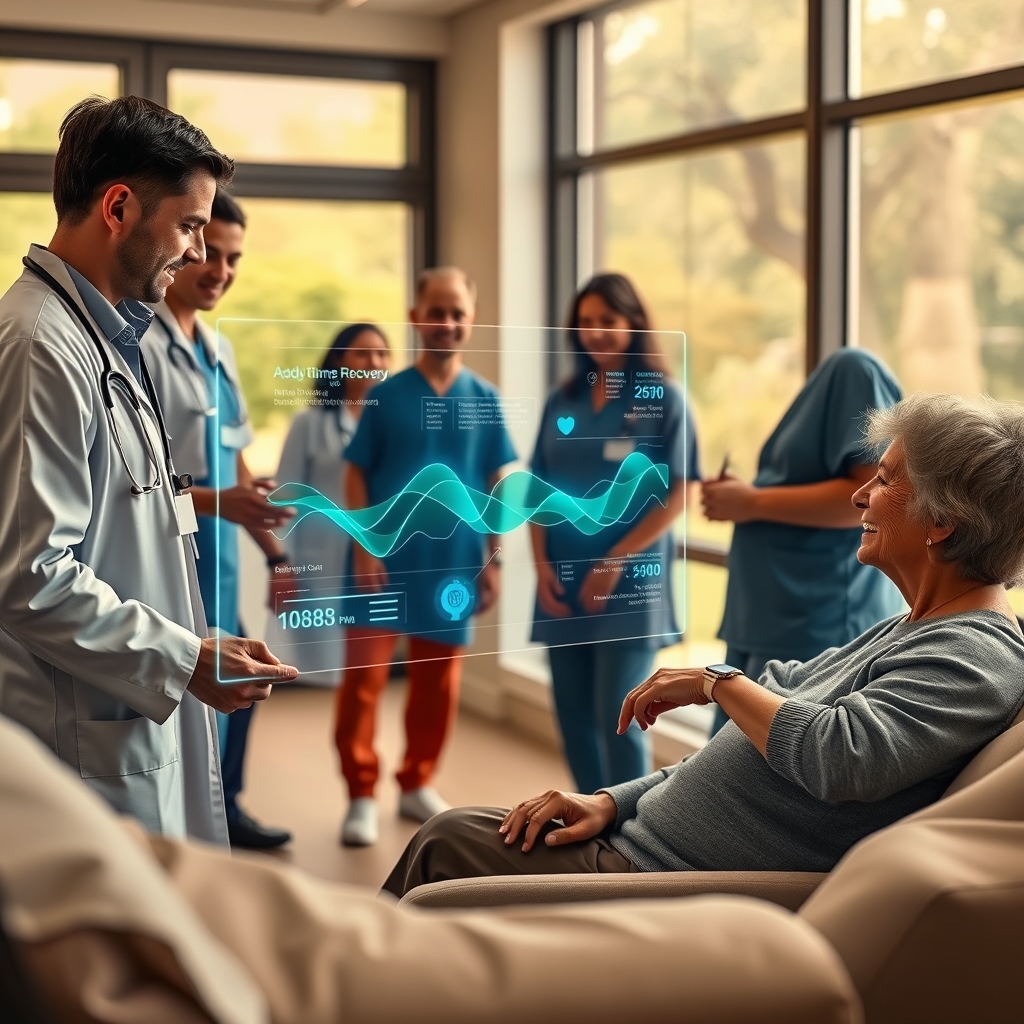
Healthcare is no longer a static map with a single destination. It has become a living blueprint, constantly redrawn by the unique needs of each patient, the precision of real-time data, and the flexibility of adaptive recovery strategies. This evolution marks a shift from rigid, one-size-fits-all protocols to a dynamic, responsive model where treatment is not just administered but co-created with those it serves. The result is a system that doesn’t just heal—it learns, adjusts, and grows alongside the individuals it supports.
The Power of Adaptive Recovery Strategies
Traditional treatment plans often follow a linear path: diagnosis, intervention, follow-up. But recovery is rarely so straightforward. Patients navigate setbacks, progress in unexpected ways, and respond differently to the same therapies. Adaptive recovery strategies acknowledge this complexity by building flexibility into the healing process. These approaches are not about abandoning structure but about creating frameworks that can bend without breaking, adjusting in real time to the nuances of a patient’s journey.
For example, a patient recovering from surgery might initially follow a standardized rehabilitation protocol. However, if real-time monitoring reveals slower-than-expected progress in mobility, the plan can pivot—perhaps incorporating additional physical therapy sessions, alternative pain management techniques, or even mental health support to address emotional barriers. This adaptability ensures that care remains relevant, effective, and deeply personal, rather than forcing the patient to conform to a predetermined script.
Real-Time Analytics: The Compass of Modern Healing
The ability to adapt hinges on having the right information at the right time. Real-time health analytics act as the compass guiding these adjustments, transforming raw data into actionable insights. Wearable devices, remote monitoring tools, and integrated electronic health records provide a continuous stream of information—heart rate variability, sleep patterns, medication adherence, and even emotional well-being—all of which paint a dynamic picture of a patient’s health.
This data doesn’t just inform clinicians; it empowers patients. When individuals can see how their daily habits, stress levels, or sleep quality impact their recovery, they become active participants in their own care. For instance, a patient with chronic heart disease might use a wearable device to track their activity levels. If the data shows a correlation between increased stress and elevated blood pressure, the care team can work with the patient to develop stress-reduction strategies, such as mindfulness exercises or adjusted medication timing. The result is a treatment plan that evolves in lockstep with the patient’s life, not in spite of it.
Patient-Centric Wellness: Beyond the Clinic Walls
The shift toward adaptive, data-driven care extends beyond the walls of hospitals and clinics. Patient-centric wellness plans recognize that healing doesn’t happen in isolation—it’s influenced by every aspect of a person’s life, from their environment and relationships to their work and hobbies. These plans are designed to integrate seamlessly into a patient’s daily routine, making health maintenance a natural part of life rather than an interruption.
Consider a patient managing diabetes. A traditional approach might focus solely on medication and periodic check-ups. A patient-centric plan, however, would take a broader view: continuous glucose monitoring to provide real-time feedback, nutritional guidance tailored to the patient’s cultural preferences and lifestyle, and even social support networks to combat the isolation that often accompanies chronic conditions. By addressing the full spectrum of a patient’s needs, these plans don’t just treat illness—they foster well-being.
Collaborative Care: The Human Element in a Data-Driven World
While data and technology are powerful tools, they are not replacements for human connection. Collaborative care models bring together multidisciplinary teams—doctors, nurses, therapists, social workers, and even family members—to ensure that every aspect of a patient’s health is considered. These models thrive on communication, with each team member contributing their expertise to create a cohesive, holistic treatment plan.
For example, a patient recovering from a stroke might work with a neurologist to address physical impairments, an occupational therapist to regain daily living skills, a psychologist to manage emotional challenges, and a nutritionist to support overall health. Real-time analytics can help the team track progress and identify areas needing additional focus, but it’s the collaboration among these professionals—and the patient—that ensures the plan remains centered on the individual’s goals and needs. This human-centric approach doesn’t just improve outcomes; it restores dignity and agency to the healing process.
The Future of Healing: A Symphony of Adaptation and Insight
The convergence of adaptive recovery strategies and real-time analytics is redefining what it means to heal. No longer is healthcare a passive experience where patients wait for their bodies to respond to treatment. Instead, it’s an active, ongoing dialogue between patient and provider, where data informs decisions, and flexibility ensures relevance. This model doesn’t just treat symptoms—it honors the complexity of human health, recognizing that each person’s journey is as unique as their fingerprint.
As technology continues to advance, the possibilities for personalized, adaptive care will only expand. Imagine a future where artificial intelligence can predict health declines before they occur, where virtual reality aids in rehabilitation, or where genetic data tailors treatments to an individual’s DNA. Yet, even as these tools evolve, the heart of healthcare will remain the same: a commitment to seeing patients not as cases to be managed, but as people to be understood, supported, and empowered. The living blueprint of healing is still being written, and its most powerful chapters will be those that place the patient at the center of every decision, every adjustment, and every breakthrough.