The Future of Stress Resilience: How Wearable Tech, Gut Health, and Somatic Practices Are Recalibrating the Nervous System for Longevity
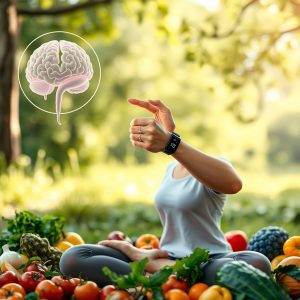
In an era where chronic stress has become an almost ubiquitous part of modern life, the quest for resilience has never been more critical. The toll of unmanaged stress extends far beyond momentary discomfort—it disrupts sleep, impairs cognitive function, weakens immunity, and accelerates cellular aging. Yet, emerging research is revealing a powerful trifecta of tools that may hold the key to recalibrating the nervous system: wearable health technology, gut microbiome optimization, and somatic practices. Together, these approaches are not just mitigating stress but fundamentally rewiring how the body and mind respond to it.
The Wearable Revolution: Real-Time Insights into Stress
Wearable devices have evolved far beyond step counters and heart rate monitors. Today’s advanced sensors—embedded in smartwatches, rings, and even patches—track biomarkers like heart rate variability (HRV), skin conductance, and cortisol rhythms with remarkable precision. HRV, in particular, has emerged as a gold standard for measuring autonomic nervous system balance, offering a window into how well the body is adapting to stress. When HRV is high, the parasympathetic nervous system—the body’s “rest and digest” mode—is dominant, signaling resilience. When it’s low, the sympathetic nervous system—the “fight or flight” response—is overactive, often leading to burnout, inflammation, and metabolic dysfunction.
What makes wearables truly transformative is their ability to provide real-time feedback. Instead of relying on subjective assessments of stress, users can now see how their nervous system responds to specific triggers—whether it’s a high-pressure meeting, a poor night’s sleep, or an inflammatory meal. This data empowers individuals to make immediate adjustments, such as practicing deep breathing, taking a short walk, or adjusting their diet. Over time, these small, informed interventions can shift the body’s baseline stress response, fostering long-term resilience.
The Gut-Stress Connection: How Microbiome Balance Shapes Resilience
The gut is often called the “second brain” for good reason. The trillions of microbes residing in the digestive tract don’t just influence digestion—they play a pivotal role in regulating mood, inflammation, and even the body’s stress response. Research has shown that certain strains of gut bacteria, such as Lactobacillus and Bifidobacterium, produce neurotransmitters like GABA and serotonin, which promote calm and emotional stability. Conversely, an imbalanced microbiome—characterized by low diversity or an overgrowth of pathogenic bacteria—can exacerbate anxiety, depression, and systemic inflammation, all of which heighten stress sensitivity.
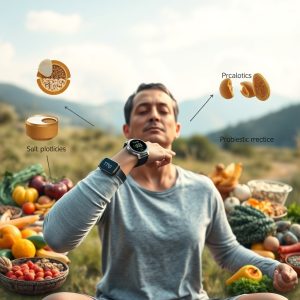
Personalized nutrition is emerging as a powerful tool for optimizing gut health and, by extension, stress resilience. Foods rich in prebiotic fibers (such as garlic, onions, and asparagus) and probiotics (like fermented foods and supplements) can nurture a thriving microbiome. Meanwhile, dietary patterns that reduce inflammation—such as the Mediterranean diet or low-glycemic eating—can lower cortisol levels and improve metabolic flexibility. When combined with wearable data, individuals can fine-tune their nutrition to support both gut health and nervous system regulation, creating a feedback loop of resilience.
The Role of Continuous Glucose Monitoring in Stress Management
One of the most surprising connections between gut health and stress is the impact of blood sugar fluctuations. Spikes and crashes in glucose levels trigger cortisol release, creating a vicious cycle of stress and metabolic instability. Continuous glucose monitors (CGMs), once reserved for diabetics, are now being used by biohackers and health enthusiasts to track how different foods, sleep patterns, and stressors affect blood sugar. By identifying and avoiding dietary triggers that cause glucose volatility, individuals can stabilize cortisol levels and reduce the physiological burden of stress.
For example, a CGM might reveal that a seemingly healthy breakfast of oatmeal and fruit causes a sharp glucose spike, followed by a crash that leaves the user feeling anxious and fatigued. Armed with this data, they can experiment with alternatives—such as pairing carbs with protein or healthy fats—to achieve more stable energy and mood. Over time, this metabolic stability translates into greater emotional resilience, as the body becomes less reactive to stressors.
Somatic Practices: Rewiring the Nervous System from the Inside Out
While wearables and gut health provide the physiological foundation for stress resilience, somatic practices offer a direct pathway to recalibrating the nervous system. Somatic exercises—such as breathwork, yoga, and mindful movement—work by engaging the body’s innate capacity for self-regulation. Unlike traditional talk therapy, which primarily addresses the cognitive aspects of stress, somatic practices target the body’s stored tension, helping to release chronic stress patterns that may have been held for years.
One of the most effective somatic techniques for stress regulation is coherent breathing, a practice that involves inhaling and exhaling at a slow, rhythmic pace (typically five to six breaths per minute). This simple yet powerful exercise has been shown to shift the nervous system from a state of hyperarousal to one of calm, lowering cortisol levels and improving HRV. Similarly, practices like yoga nidra (a form of guided meditation) and progressive muscle relaxation can help individuals access deeper states of rest, counteracting the cumulative effects of chronic stress.
Contrast Therapy: The Stress-Resilience Paradox
Another emerging tool in the stress-resilience toolkit is contrast therapy, which involves alternating between extreme temperatures—such as cold plunges and sauna sessions. While this might seem counterintuitive (after all, why subject the body to more stress?), research suggests that controlled exposure to thermal stress can enhance resilience by training the body to adapt more efficiently. Cold exposure, for instance, triggers the release of norepinephrine, a neurotransmitter that improves focus, mood, and stress tolerance. Meanwhile, heat exposure promotes the production of heat shock proteins, which repair cellular damage and reduce inflammation.
When combined with somatic practices, contrast therapy can amplify the body’s ability to recover from stress. For example, a cold plunge followed by a period of coherent breathing can create a profound sense of calm, while a sauna session paired with yoga nidra can deepen relaxation. Over time, these practices can help individuals build a more robust stress response, allowing them to navigate life’s challenges with greater ease.
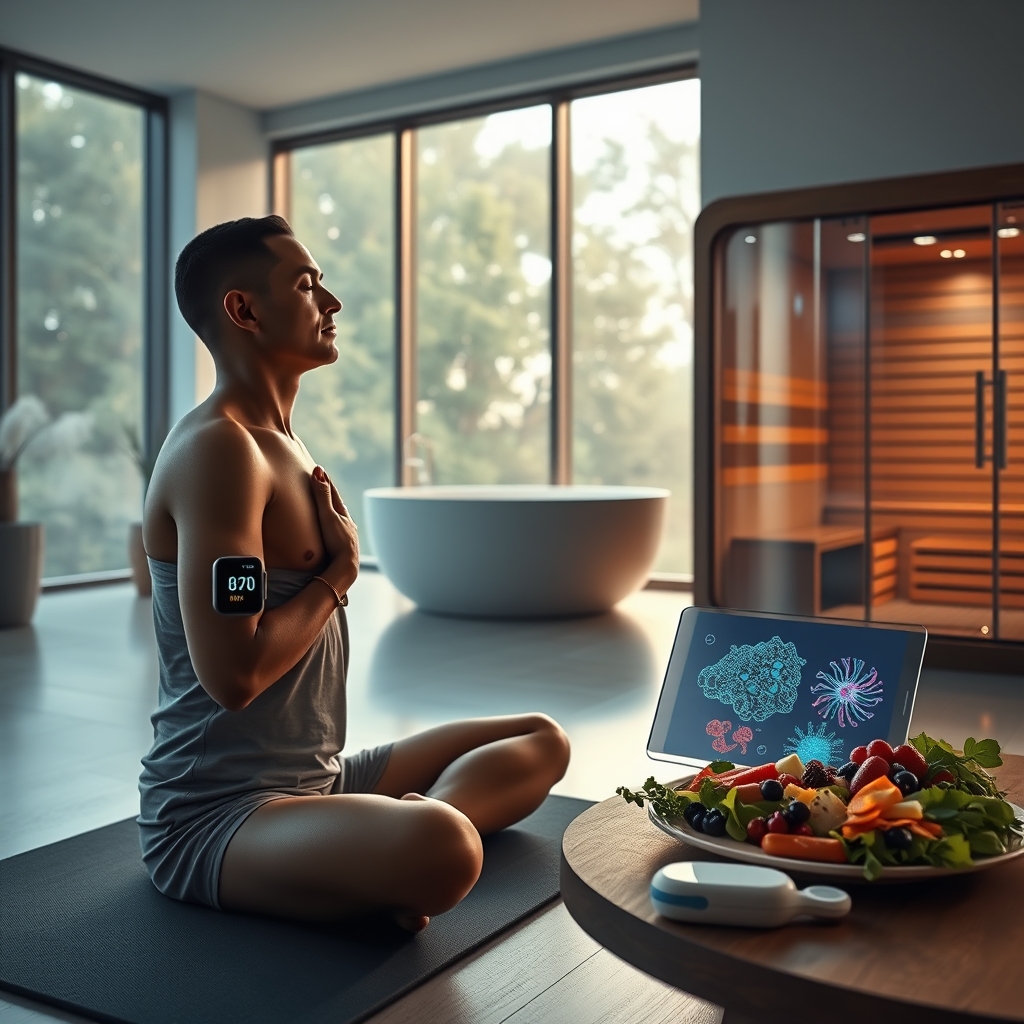
The future of stress resilience lies not in a single solution but in the integration of these cutting-edge tools. Wearable technology provides the data-driven insights needed to understand the body’s stress patterns, while gut health optimization and personalized nutrition create the physiological foundation for resilience. Somatic practices and contrast therapy, meanwhile, offer direct pathways to recalibrating the nervous system, helping individuals move from a state of chronic stress to one of balanced vitality. As these fields continue to evolve, they are not just changing how we manage stress—they are redefining what it means to thrive in an increasingly demanding world.